Leadership
Management, teams, and executive skills
104 articlesDelegate the work, not the working pattern
AI agents need working patterns built around real dependencies and human judgment, not inherited office habits. Parallel work and meeting preparation show why.
My AI executive assistant writes in its own voice. My AI chief of staff writes in mine.
Ragbot and Ragenie, EA AI and chief-of-staff AI: why my executive assistant agent writes in its own voice while my chief of staff agent writes in my voice.
I gave my AI agents a chief-of-staff job description
AI agents as chief of staff: how I encoded absence coordination, notification tiers, send gates, and silent-failure validators into open-source config.
An AI writing catalog should keep its history
Keep dated writing patterns, examples and review decisions so editors, researchers and tool builders can improve the catalog without losing what it has learned.
Directing an AI assistant across search and hosting tools
Directing an AI assistant through Search Console, Bing and Cloudflare kept a recovery moving while I made the decisions, checked results and managed exceptions.
From Tool to Team: Managing AI as Distributed Engineering
Parallel coding agents make engineering leadership central: define work, share context, review results and integrate changes while retaining design judgment.
Scaling Synthesis Coding in Your Organization
Scale AI coding through a phased team rollout, role-specific training, quality standards and practical measures that build lasting engineering capability.
The synthesis coding framework: building production software with AI
Five connected pillars turn AI-assisted coding into an organizational practice, with project cases, planning guidance, and a path to production software.
A new CTO's first 90 days with AI already on the team
A first-quarter plan for a new CTO: learn the business, map the technology and team, test AI practices, and make clear commitments people can act on together.
The Future of Engineering Services: Building and Measuring Human-AI Teams
How engineering services can move from hours to capabilities, with human–AI team structures, outcome measures, client examples, and ways to price the work.
CTO and CPO Leadership in the Age of Generative AI
How CTOs and CPOs can lead human–AI teams: compose capabilities, preserve judgment, build adaptable architecture, and develop careers beyond implementation.

The Power Playbook in OpenAI’s 2025 Leadership Announcement
Read OpenAI’s May 2025 leadership announcement for its power strategy: authority, alliances, growth and twelve practical lessons for executive communication.
The walk that changed my mind about advisory work
A walk in New York changed how I understood advising: recalling a founder’s choices, offering candid judgment and helping before consequential decisions harden.

Why I Stopped Chasing ‘High Risk, High Reward’ and You Should Too
Why rewarding risk-taking over value creation is dangerous, and how leaders can shift to prioritizing innovation, skill, and sustainable business practices.
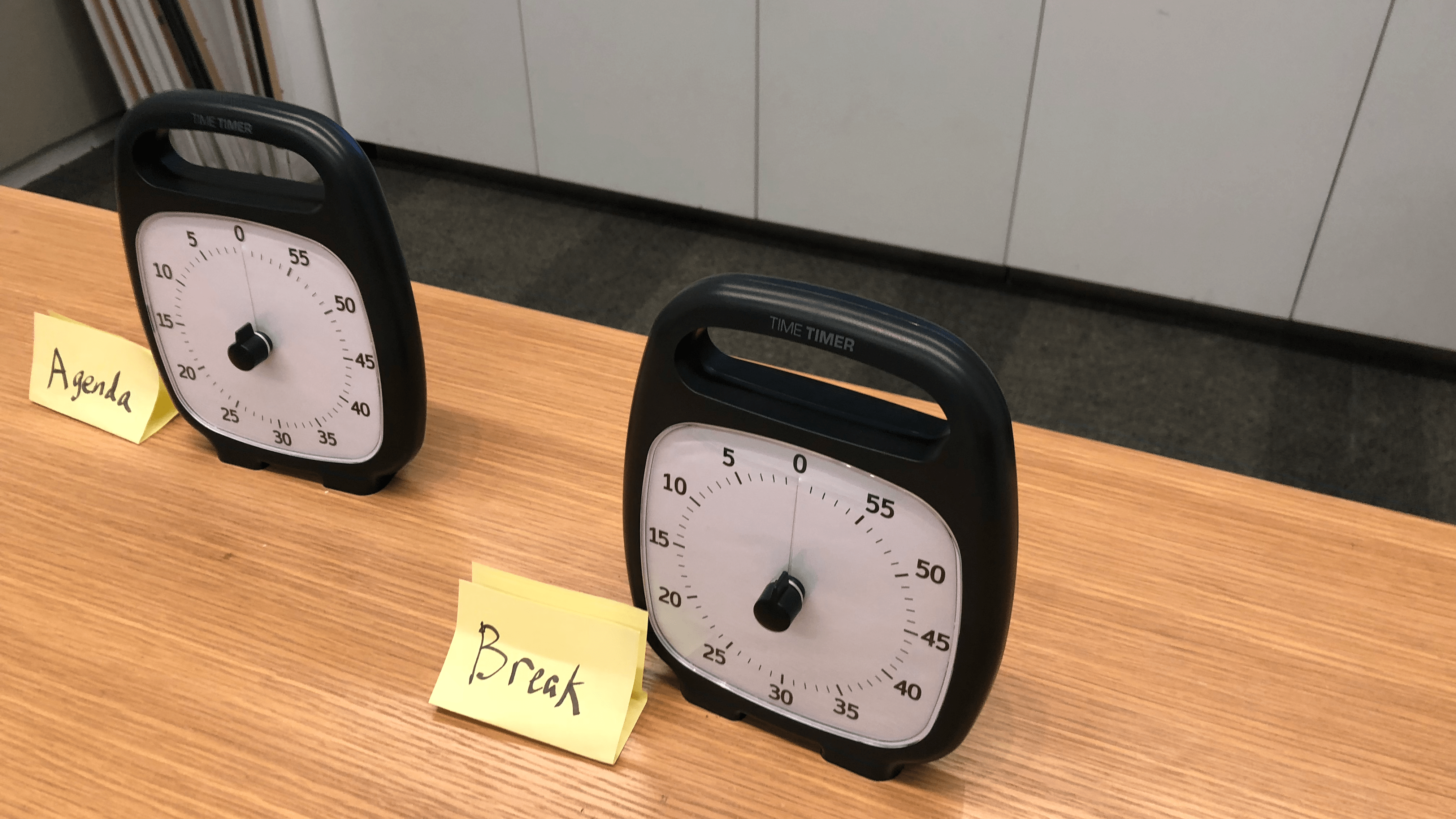
Be present: why working 24/7 hurts productivity and innovation
My experience leading product and technology teams informs practical advice on attention, breaks, sleep, and protecting family time from constant work.
Before layoffs, cut executive compensation
Why layoffs demand executive accountability, generous treatment of departing staff and consumer pressure when companies cut jobs without sharing the cost.

Beyond outcomes: why great leaders prioritize inputs
Great leaders shape the actions, ethics, and conditions that produce results. The Gita, Stoics, business cases, and Bill Walsh inform five practical steps.
Every Year, Restart in Your Current Job
An annual restart in the job you already have: use listening tours, renew relationships, question routines and reset priorities before assumptions harden.
50- and 25-Minute Meetings: Why I Schedule a Later Start
A practical update to the 50/25 meeting format: schedule a later start, protect transition time and finish promptly, with lessons from colleagues and research.
An Executive’s Daily Routine for Productivity and Balance (Summer 2023)
A summer 2023 routine for balancing an executive job, exercise and family, with protected creative work, walking meetings and time to reflect each evening.

Understanding the Role of Product in Media Companies and Tech Companies
How media product leaders balance audiences, editors, revenue and technology, with seven practical recommendations and four kinds of products they build.
AI and Leadership: My Response to the June 2023 Yale CEO Summit
My response to the June 2023 Yale CEO Summit report: AI's transformative power, regulation, jobs and the human judgment leaders need as they put it to work.
The poetic power play: a lesson from Indian poetry and Professor Jeff Pfeffer
Indian poetry and Jeffrey Pfeffer’s work illuminate power, character and craft: how to protect worthwhile work, keep your voice and earn the trust of others.
Roles and Responsibilities for Digital Product Development Teams
A clear responsibility map for product, engineering, design and operations leaders, with guidance on decisions, estimates, delivery and shared accountability.
Estimating Software Projects with T-Shirt Sizes and Evidence-Based Scheduling
Use T-shirt sizes for early software budgets, then calibrate schedules with actual task history, explicit cost assumptions and completion-date probabilities.
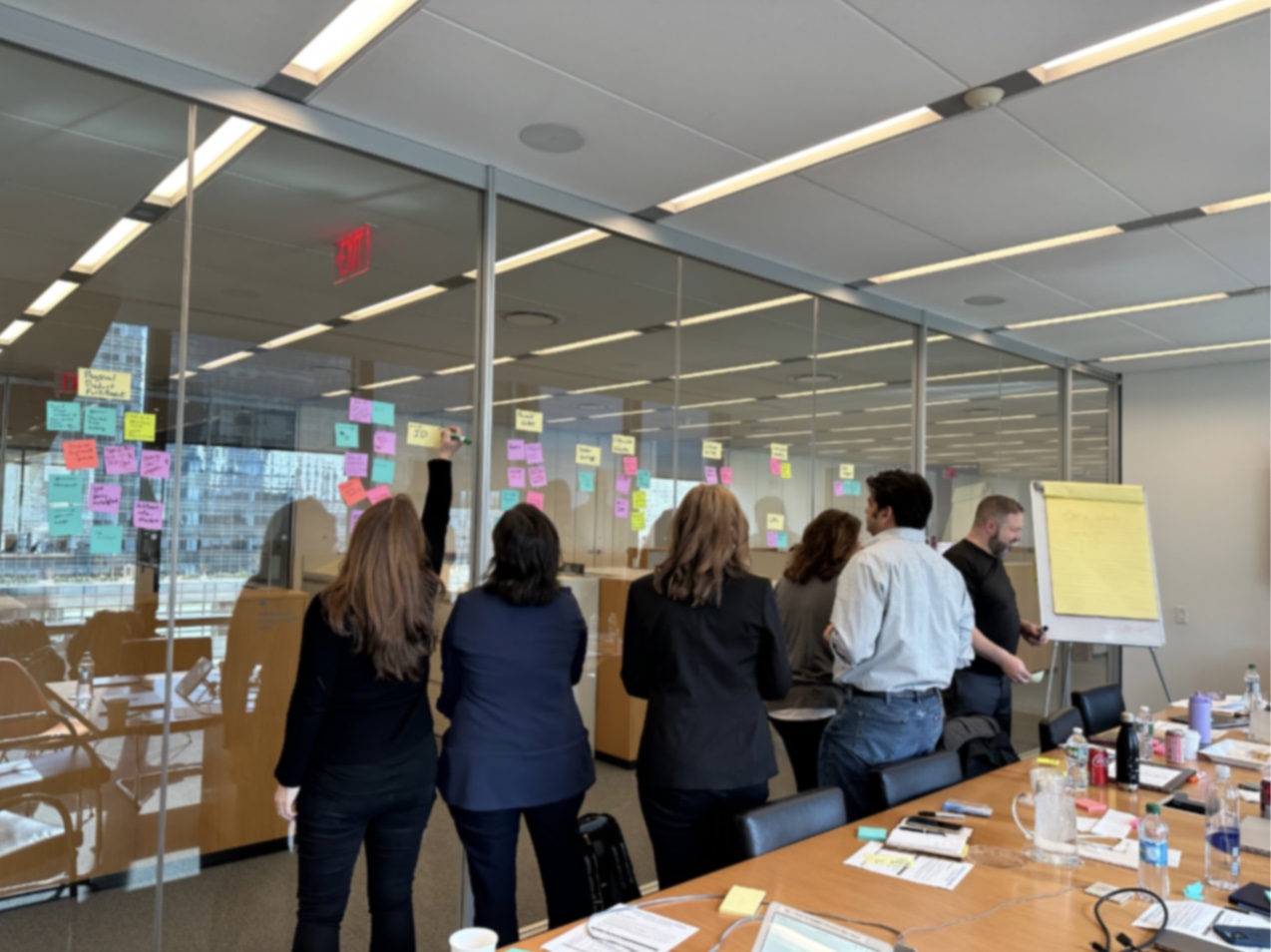
Product managers as individual contributors: 21 hands-on responsibilities
Product managers contribute through 21 responsibilities, combining customer, business and technical judgment with mentoring and influence across teams.
A CEO's Guide to Working with CTOs and CPOs
A CEO’s guide to evaluating technology and product leaders, giving them authority, sharing accountability and deciding whether to combine the CTO and CPO roles.
The Room Where the Story Was Told
A capable executive delivers results but loses influence as others tell his team’s story. A leadership fable about power, recognition and earning a voice.
The World Economic Forum Seven Years Later
Seven years in the WEF’s Young Global Leaders community: Rajiv Pant on friendship, imposter syndrome, useful work, and advice he would give his younger self.
Saying no without leaving someone waiting
How I decline requests promptly and warmly, with a template that gives an honest reason, offers useful direction and avoids promises I do not intend to keep.
Be curious, not judgmental
Curiosity helps leaders understand people, inherited decisions, and unfamiliar ideas before judging them. Jeffrey Pfeffer’s work informs my practical approach.
Choosing the Right Boss
A leader chooses a prestigious company over a better boss and pays for it. A career fable with six ways to assess a manager before accepting the next job.
The Fable of the Illusory Truth
A publishing team’s reputation unravels under repeated claims of slowness. A leadership fable about checking the evidence and telling a more accurate story.
Leading a technology team through the pandemic
When the office closed, leading a news technology team meant changing priorities, listening and making room for lives that work could no longer separate.
Watching Pete Buttigieg think aloud
An evening with Pete Buttigieg left me thinking about what I look for in leaders: curiosity that survives a difficult question and makes room for uncertainty.
From the WSJ to News Corp: Leading Across Regions
Moving from the Wall Street Journal to News Corp changed how I led: regional judgment, shared standards, and trusted people mattered more than a longer workday.
How Stakeholders and Product, Design, and Engineering Should Work Together
A practical framework for stakeholders and product, design, and engineering teams to choose problems, share responsibility, and measure outcomes together.
Harvard Kennedy School and the View from Outside Tech
At Harvard Kennedy School, public leaders challenged how I thought about technology, accountability and the people affected by the choices product teams make.
Technology ambassadors: keeping the business and the team in touch
A rotating ambassador program connects product, design, and engineering with the business through weekly contact, modest authority, and lessons from failure.
Activities, outputs, and outcomes: A framework for your job
A framework for distinguishing activities, outputs, and outcomes in your work, replacing static job descriptions with a living system for creating real value.
How to decline a meeting you already accepted
A meeting you accepted may no longer need you. Use this respectful email example to explain the change, trust colleagues, and make time for higher-value work.
Teaching a Newsroom to Think Like a Product Team
Newsroom, product, design and engineering teams learn to work together through shared decisions, stronger measures and respect for one another’s craft.
OKRs in media companies
How we adapted OKRs at The Wall Street Journal: shared priorities, visible platform work, honest grading, and goals that serve journalism and the business.
Working with Arianna Huffington: ambition and well-being
What working with Arianna Huffington taught me about ambitious deadlines, protecting a team's recovery and using human stories to guide product decisions.
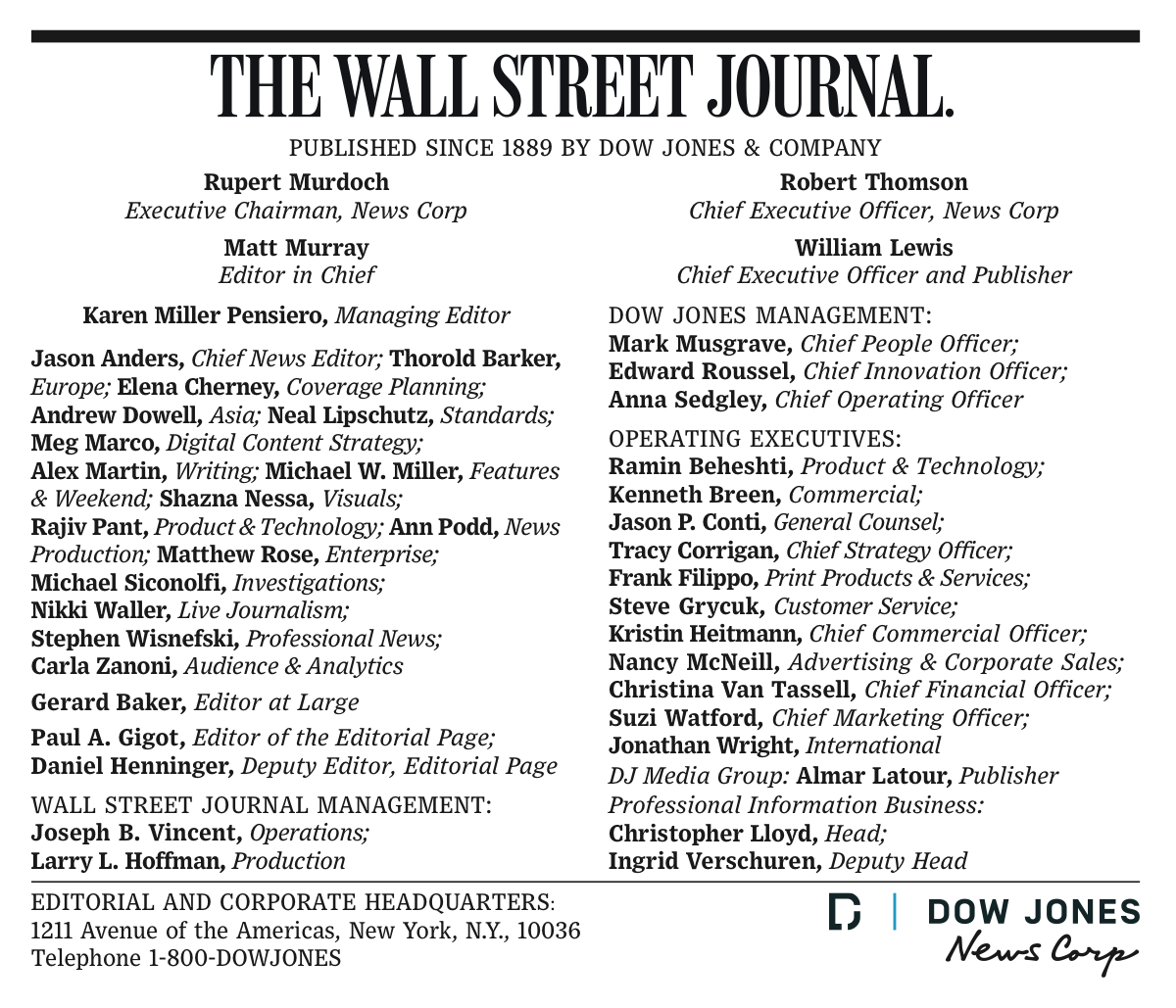
The Role of a Chief Product and Technology Officer (CPTO)
What a Chief Product and Technology Officer does, why the role exists, and why engineering, product, and design should be separate disciplines under one leader.
Five Leadership Books That Changed How I Manage
Five leadership books changed how I think about power, persuasion, conflict, leadership signals and judgment, with practical ways to use those ideas at work.
IT Culture vs. Product Culture
How to recognize an IT culture hiding behind product titles, give teams ownership of outcomes, and build a product culture with the CEO and newsroom behind it.
Management & Technical Career Growth Tracks (v3)
A career-growth framework spanning engineering, product, design, data, and project management, with parallel leadership paths and historical salary examples.
At Stack Overflow, talking about tech and sales
A conversation at Stack Overflow helped me explain how engineers and salespeople share customer understanding, feedback and responsibility for a business.
Newsrooms and Politics in Buenos Aires
At a Buenos Aires leadership summit, newsroom conversations connected software and design with Latin American politics and the work of building relationships.
My First Week Leading Product and Technology at The Wall Street Journal
My first week leading product and technology at The Wall Street Journal: listening to established teams, respecting each craft and deciding where to help.
Making room to think at Davos
At Davos, a conversation about creativity brought me back to a practical leadership question: how do we give people room to think while building something new?
Reinvention at the 2016 Yale CEO Summit
At the 2016 Yale CEO Summit, Terry Lundgren and John Legere’s reinventions prompt reflections on leadership, disruption, and learning from other leaders.
How to be an effective CTO
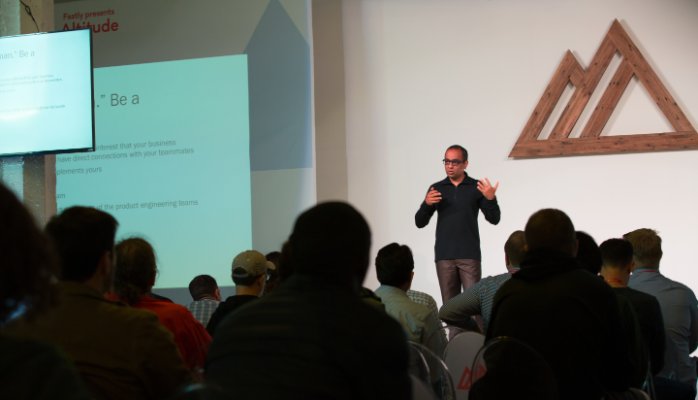
How to be effective as a CTO through culture, technology and operations, with five lessons on building stakeholder relationships and organizational influence.
Victory Is Winning People Over
A newspaper dispute taught me why a technical decision needs people's trust, dignity and knowledge, and how to earn cooperation without avoiding hard choices.
Building one digital team across Tribune's newsrooms
At Tribune Publishing, combining product and technology meant listening across newsrooms, building trust, and giving shared digital work a practical direction.

90 day plan for a CTO in a new job
A practical 90 day plan for a new CTO: learn the people and business, choose useful measures, set direction, and improve the team’s culture and delivery.
Building a technology team that cares about journalism
Why newsroom technology teams need engineers who care about journalism, reciprocal learning, editorial relationships, and room to build work that matters.
7 minus 1 reasons why technology/engineering teams should work on projects
Six reasons to fund engineering work: product, speed, quality, cost, security and survival. Reject vague strategic claims and choose the primary reason.
CTO Mind Map: Culture, Technology, Operations
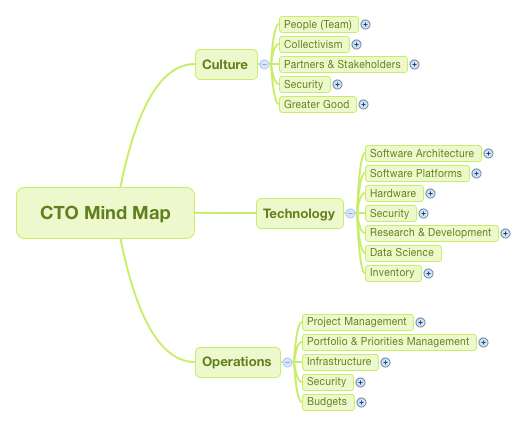
A visual mind map organizes the CTO role into culture, technology, and operations, helping technology leaders set priorities and identify gaps in coverage.

Dear makers, on Fridays my office is yours — an experiment
In 2014, Rajiv Pant offered technology colleagues his office on Fridays for coding, pair programming and problem-solving, with feedback to guide changes.
A Technologist at Summer Davos
What a technologist learned at Summer Davos in Tianjin: conversations across industries, the Young Global Leaders community, and the forces shaping our work.
3 dimensions of a technology team
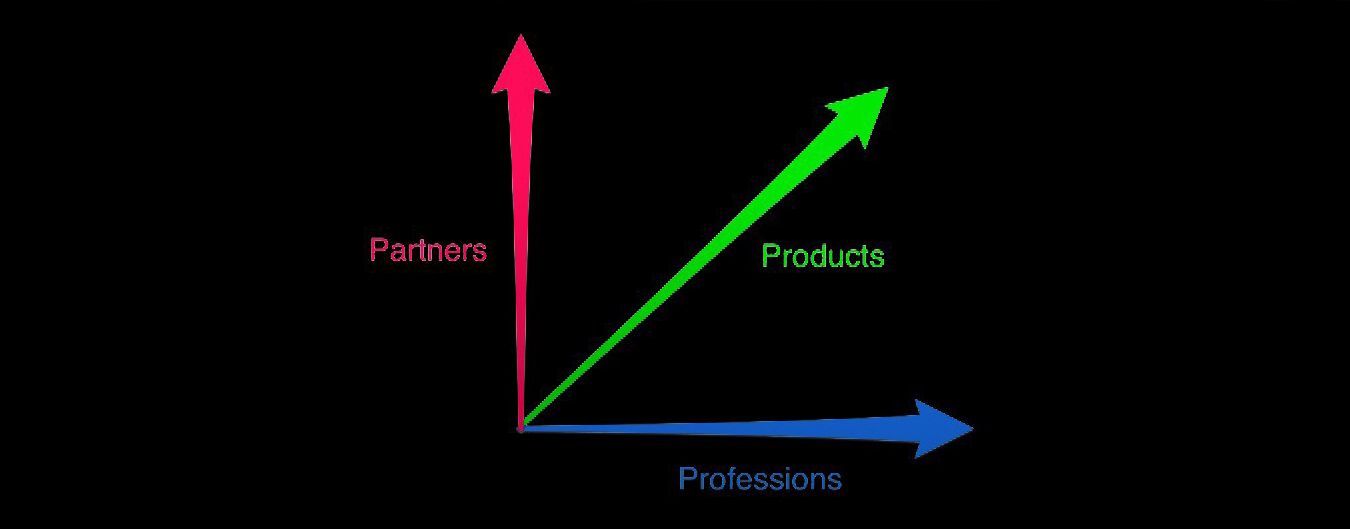
Organize a technology team around its products, business relationships, and professions, with clear responsibility for delivery, decisions, and career growth.
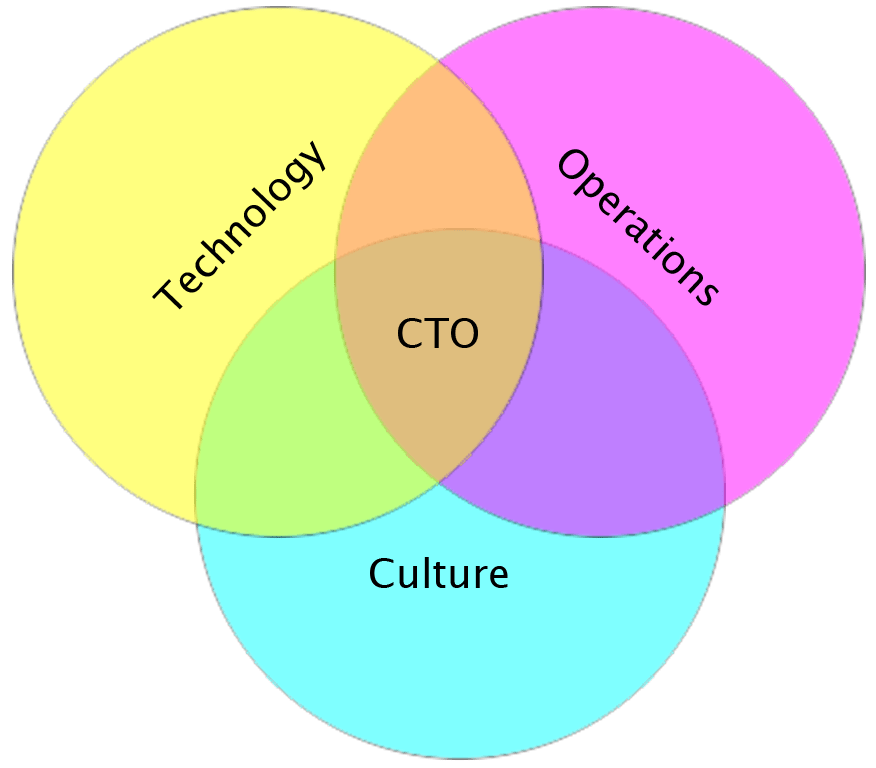
3 Roles of a CTO: Culture. Technology. Operations.
A CTO’s practical memo for weekly one-to-ones: review culture, technology and operations, choose relevant questions, and leave room for care, help and humor.
3-5-7 Meeting Format for Weekly Staff Meetings
The 3-5-7 staff meeting format gives each team member 3-5 minutes to answer 7 structured questions covering work, learnings, issues, and collaboration.
Posted Signs for Productive Meetings
Print three signs for your meeting room: clarify the purpose, decide whether you need to attend, and finish early. Download the PDF or open the Google Slides.
Template for Requesting an Outcome-Focused Meeting
An outcome-focused meeting request template with examples for decisions, alignment and problem-solving, plus questions that make preparation worthwhile.
Templates for Replying to Meeting Requests & Polite Ways to Decline Meetings
Use two reply templates to prepare for meetings or decline when you are not needed, while giving the organizer a chance to explain why you should attend.
When to Schedule Meetings
Protect mornings, evenings and four-hour blocks for focused work. Schedule meetings between 10am and 5pm, and keep recurring meetings within that window.
The 50/25 meeting format
A practical team message for shortening meetings to 50 or 25 minutes, protecting time between them, and making the workday more focused, humane, and manageable.
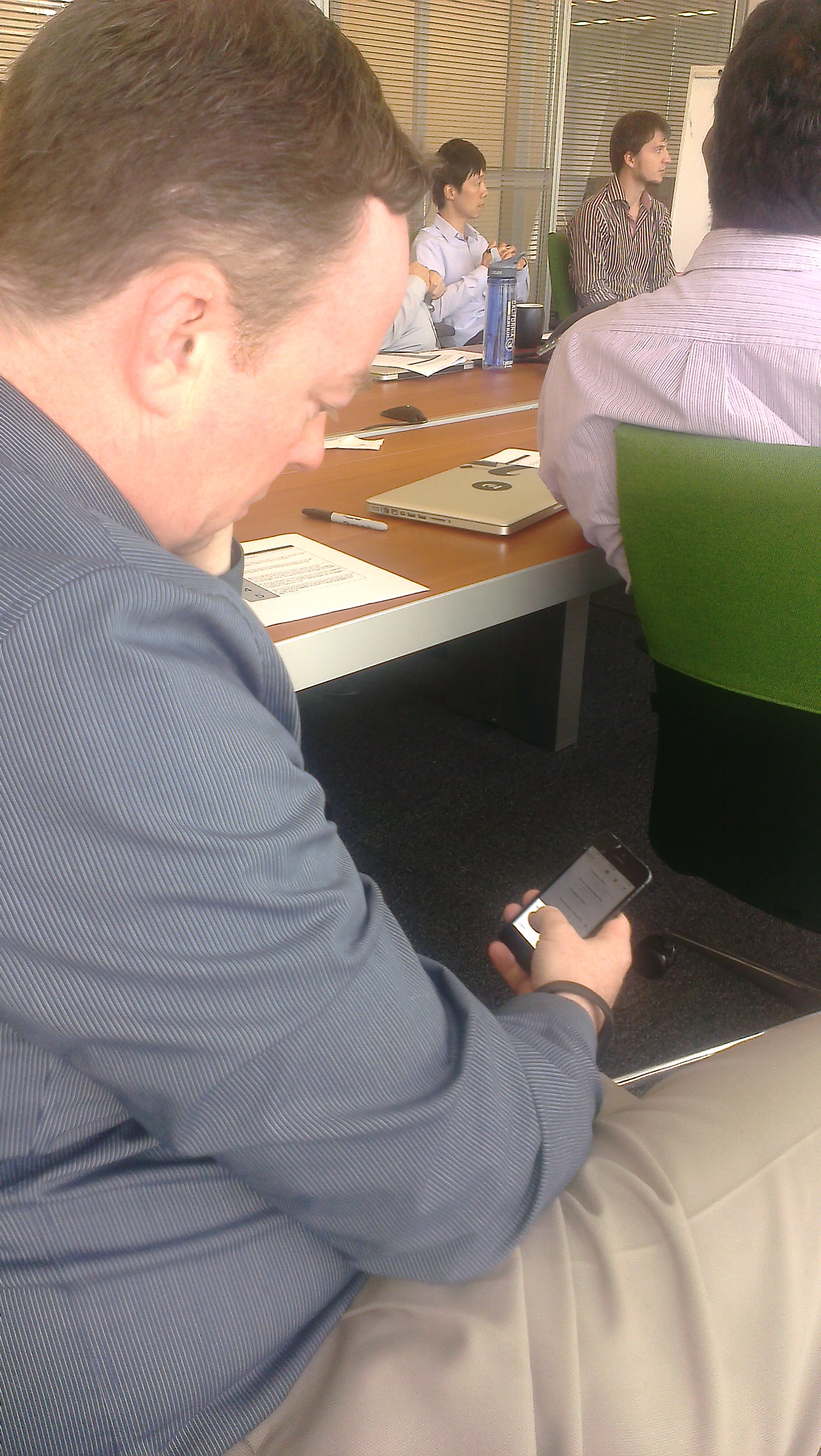
Using Laptops or Smartphones in Meetings
Why checking your phone under the table is like picking your nose, when devices help a meeting, and how to keep laptops and phones from taking over the room.
What I learned during the hacking attacks of August 28, 2013
What the 2013 New York Times domain hijacking taught me about collaboration, recovery, backup domains, and explaining a security incident accurately to readers.
Leadership requires loyalty, kindness, and ethics
Leadership earns commitment through loyalty, kindness, and ethics: defending a team, treating people with dignity, and doing the right thing when it costs you.
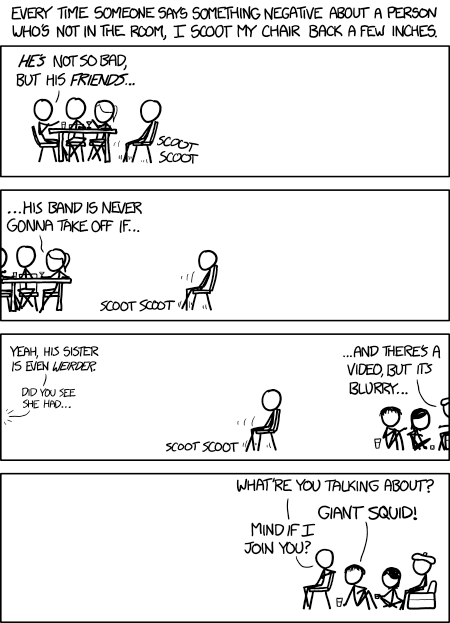
Ray Dalio, Randall Munroe and I Think Alike – Culture of Courage & Candor
Why badmouthing colleagues behind their backs damages organizations, and how leaders can stop rewarding it, give fair hearings and model courage and candor.
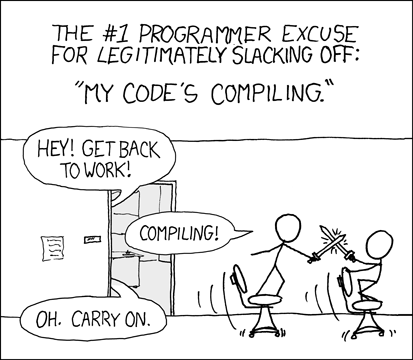
Maker’s Schedule (For Managers Too)
How to implement a maker's schedule with meeting-free Friday afternoons for focused coding and creative work, presented as a team policy memo with FAQ.
HR classifications and business titles for technology teams
A practical title system for technology teams: pair consistent HR classifications with descriptive business titles, using role examples and approval guidelines.

Five productivity tips for executives
Five productivity habits for executives: set daily priorities, keep emails and presentations short, protect time at home, and resist constant message checking.
Sometimes a battle picks you
Choosing battles matters, but some conflicts arrive uninvited. A leadership argument for defending people and principles when silence would make you complicit.

Twenty-five vacation days for everyone
A case for 25 vacation days for every full-time employee, with rules for planning time off, equal treatment, carryover, and alternatives to unlimited leave.
Management & Technical Career Growth Tracks (v2)
Version 2 of a career framework with parallel people, engineering, product and project tracks, five levels, and guidelines for managers’ minimum direct reports.
The Art of the Dual Report: Serving Business and Editorial
Reporting to business and editorial leaders at the Times: how dual accountability protects newsroom independence and turns competing demands into shared work.
A Players Hire A Players
Why secure leaders hire strong peers, insecure managers hire down and weak judgment makes hiring random, with a practical test for reviewing recent hires.
How Death by Meeting Changed My Approach to Meetings
Patrick Lencioni’s Death by Meeting changed how I run meetings at the Times: ask their purpose, protect thinking time, and require a reason to gather together.
Schedule Time to Think Every Day
A block of thinking time helps me review interactions, spot patterns, question assumptions, and plan ahead. Here’s how I protect it from meetings and email.
Productive Business Meetings
Meeting formats, invitation and reply templates, timing guidelines, and device etiquette: resources I use to make business meetings more useful and respectful.
A colleague’s leadership memo on earning trust
A colleague’s memo on leading a team: earning trust, listening, taking responsibility, giving credit, encouraging ideas and finding meaning in difficult work.
Becoming a CTO: my move from Knight Ridder to Cox
My move from Knight Ridder to Cox taught me to lead an inherited team, share infrastructure without erasing local judgment, and make time for people's growth.
Why I Plan for Colleagues to Win the Lottery
A colleague's sudden departure deserves a serious plan. The words we choose can protect the team's work while treating the person in the room with respect.
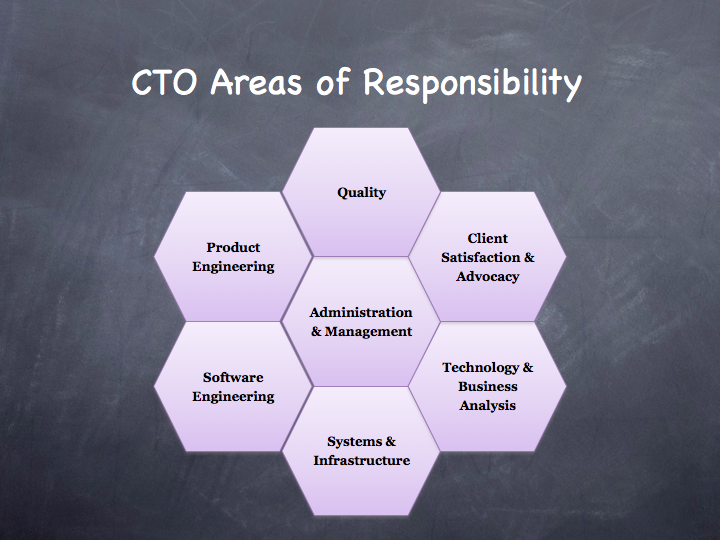
Organizing a media company’s digital technology department
A digital technology organization for a media company: seven functional areas, a sample reporting structure and project teams that work across those boundaries.
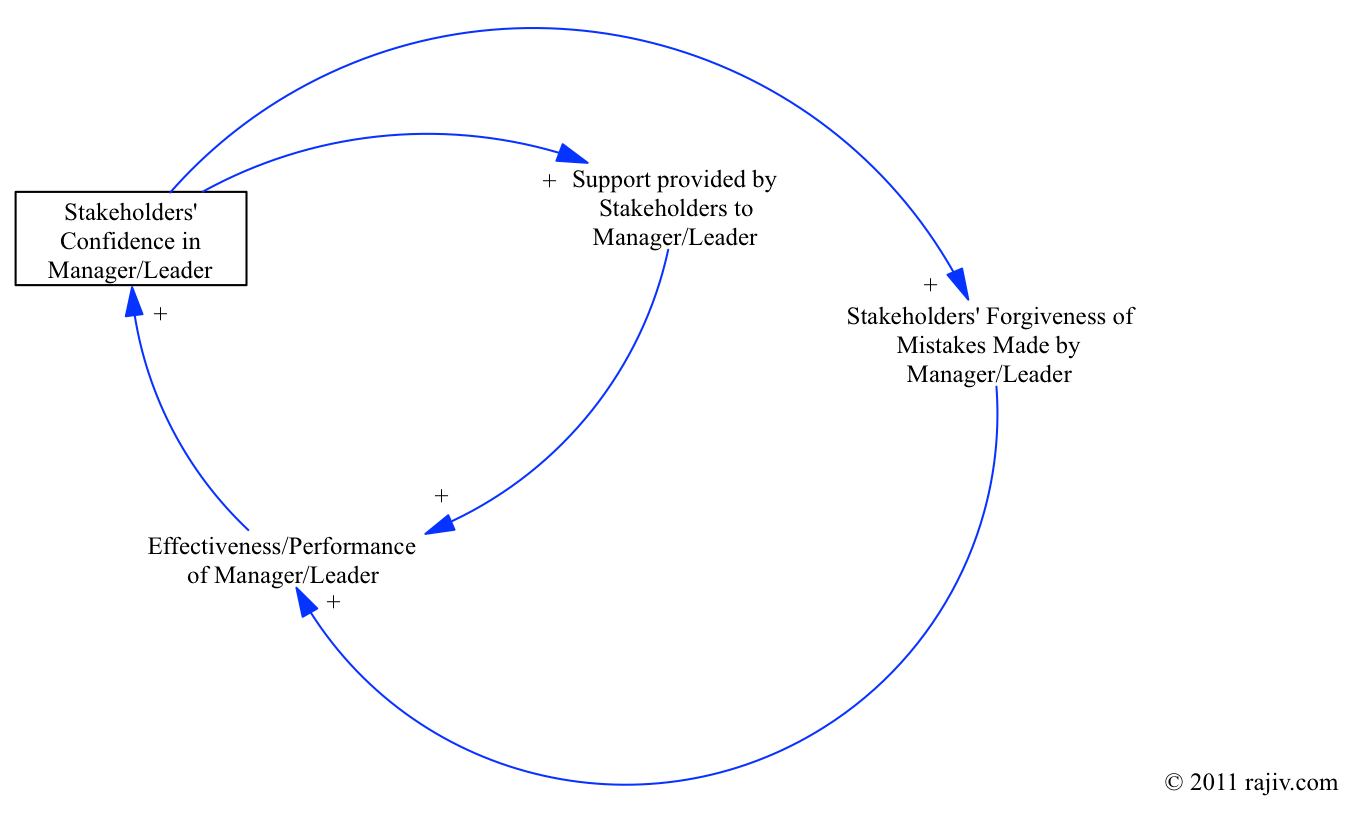
How confidence in leaders shapes their performance
Stakeholder confidence, support and performance reinforce one another. Four responses to a downward spiral, from rebuilding trust to replacing the manager.
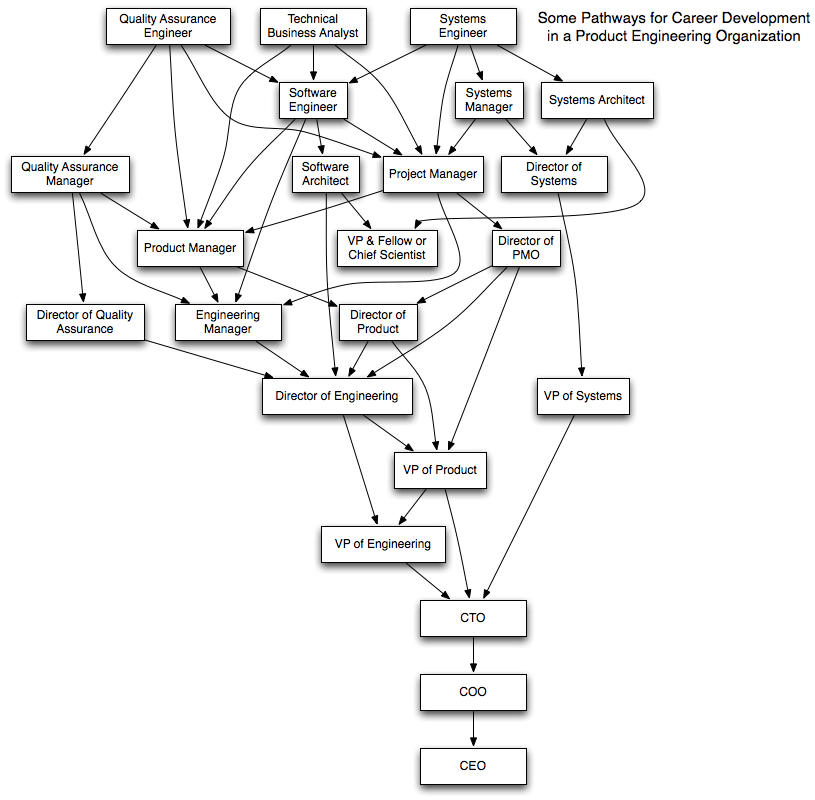
Career paths in product engineering: building depth and breadth
A map of careers in product engineering, with management, architect, product and QA paths and practical reasons to build technical depth and leadership breadth.
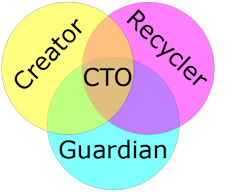
The Trinity Method: three roles for technology leaders
Give technology leaders clear responsibilities for creating products, maintaining reliable operations and retiring needless systems with the Trinity Method.
CAREER-CLEAR: employee evaluation and career development
CAREER-CLEAR gives managers five evaluation categories, a shared scoring baseline and a 100-point scale for discussing performance, rank and career development.
Between Philadelphia and San Jose: translating work cultures
Working between Philadelphia newsrooms and a San Jose platform team taught me to translate priorities, share authority and keep both sides of decisions in view.

IRC, group chat and video for incident response
How group chat helps incident teams coordinate, catch up and learn from a shared transcript, with Rajiv’s experience and later video and Slack recommendations.
Build and maintain a cohesive leadership team
How a cohesive leadership team shares responsibility, resolves conflict and works as a group, with lessons from my direct reports and Patrick Lencioni’s book.
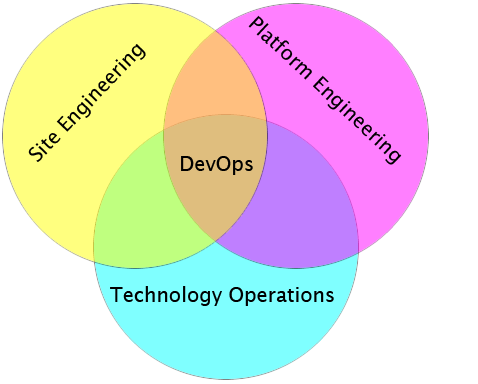
Organizing a Midsize Media Technology Department
Organize a media technology department of 20–100 people around site engineering, shared platforms and operations, with deliberate overlap and joint leadership.
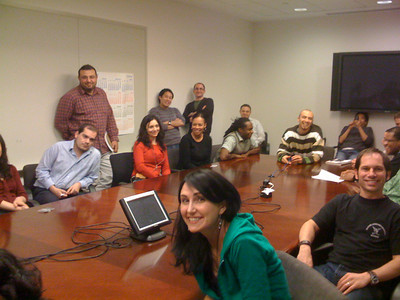
Thank Your Employees for Work Well Done
Make employee appreciation specific and meaningful: recognize good work, explain its value, choose the right setting and name the people who contributed.

The Amazon S3 outage: communication checklists for leaders
After Amazon’s February 2008 S3 outage, I explain why leaders must own failures and share practical checklists for communication during and after an incident.
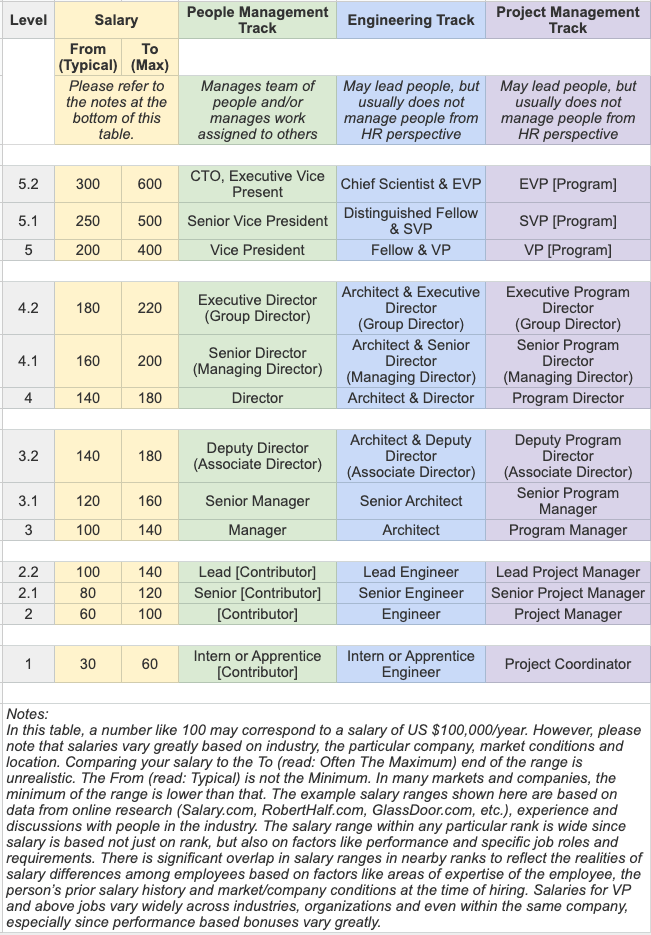
Management & Technical Career Growth Tracks
A career framework that gives technologists compensation, responsibility and influence alongside managers, with parallel roles, flexible levels and choices.
Working interviews: seeing how a candidate approaches the job
How I use past work, practical exercises, references, and shared judgments to learn how candidates think, work with others, and could strengthen a team.

7 Tips for Effective Email
Seven practical email habits for clearer requests, visible responsibilities and considerate replies, with advice on BCC, response times and mobile attention.
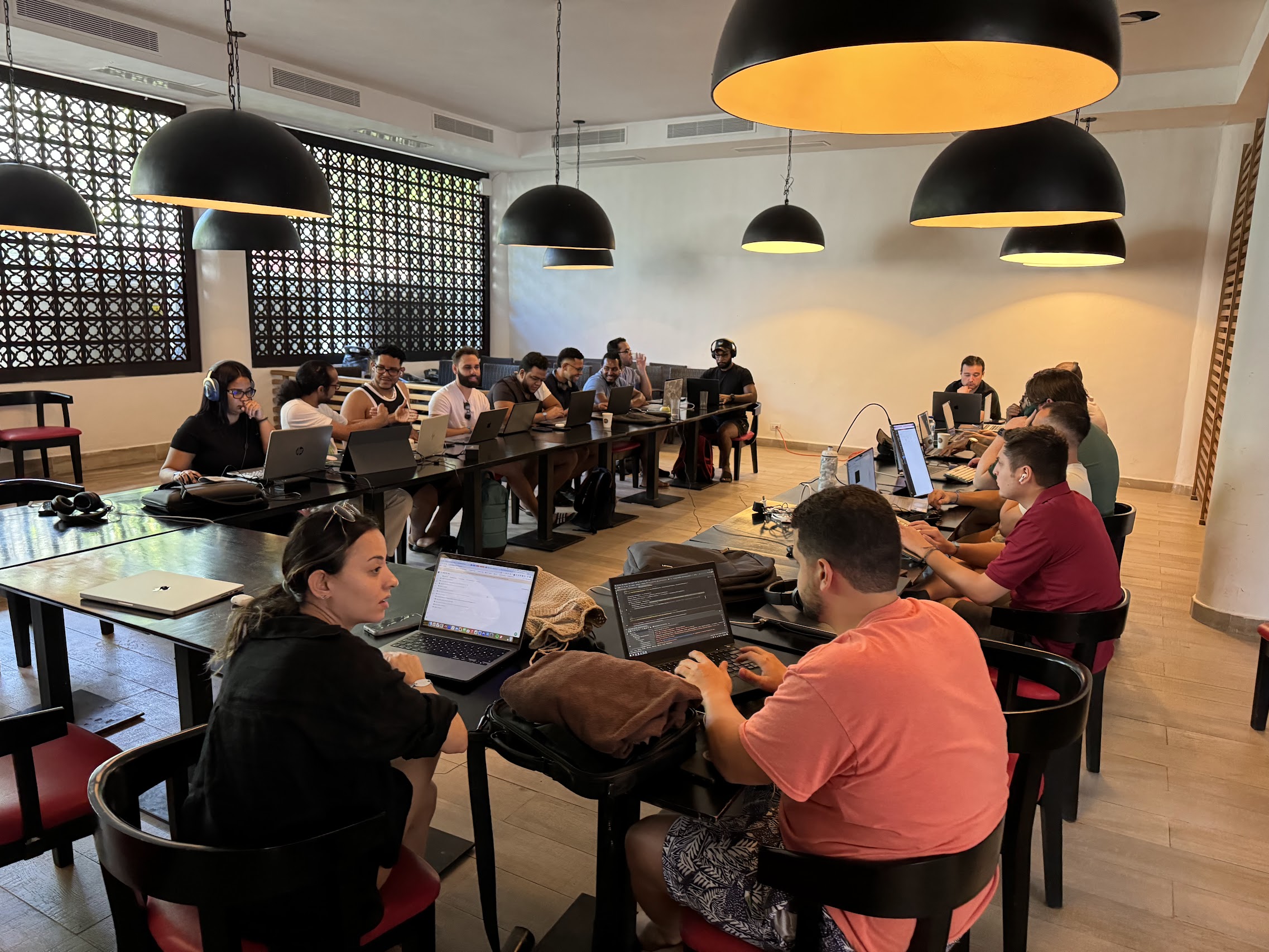
Project management starts with people
A people-first approach to project management: purpose, psychological safety, accountability, quality and the judgment to use the right amount of process.
What is Leadership?
Defining leadership as distinct from management: leaders innovate and serve, managers execute plans, and the best leaders win people rather than defeat them.