Media
Journalism, publishing, and news industry
19 articlesWhat Belongs in an Opening Memo
An opening memo should give readers a useful proposal. A fictional workshop shows what to write, what to discuss, and what should remain unshared.
Anonymization Is Not Name Removal
Scenario details can identify people after names are removed. Five practical tests: precedent, provenance, negativity, identification, and aggregation.
Honest labels for AI-assisted correspondence
Honest labels for AI-assisted correspondence: three lanes that tell recipients whose words they're reading, from executive staff practice to Ragbot and Ragenie.
Where AI assistance ends and the writer begins
Where AI assistance ends and the writer begins: whose experience, whose position, whose voice. Three provenance questions draw the line, not a percentage.
Slop detection, not AI detection
Slopcheck separates style cues from substance so editors can examine claims, preserve a writer's meaning, and decide whether a draft deserves publication.
Introducing synthesis writing
An introduction to synthesis writing: keeping authorship human, using AI for supporting work, and respecting writers who choose not to use these tools.
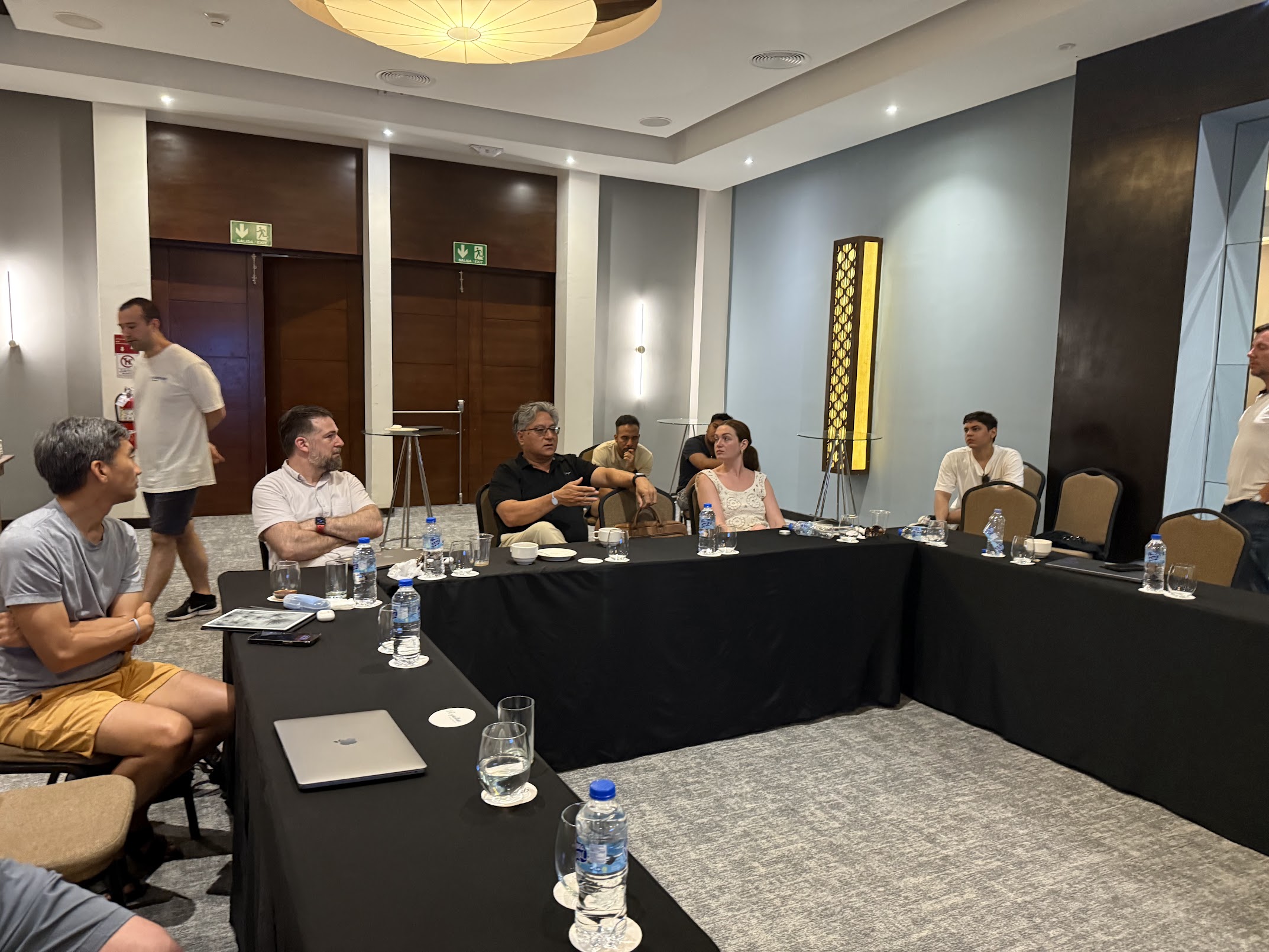
The Media Industry’s AI Transformation: From Newsrooms to AI-Powered Experience Engines
How AI transforms media organizations: from the new editorial stack and trust infrastructure to business model innovation and practical newsroom blueprints.

Why Pre-AI Content Could Become Media’s Most Valuable Asset
Why pre-AI archives could become media’s most valuable asset, with lessons from low-background steel for model training, provenance and preserving our work.

ScalePost.AI emerges as a key player in AI-publisher partnerships
ScalePost helps AI companies and publishers form content partnerships, with founders Ahmed Malik and Zach Todd and advisors from AI and media leadership.

Personalized News: From a 2017 Idea to a 2023 AI Experiment
My 2023 news-personalization experiment made a 2017 idea practical. Compare four generated stories, keep their facts aligned and give journalists better tools.
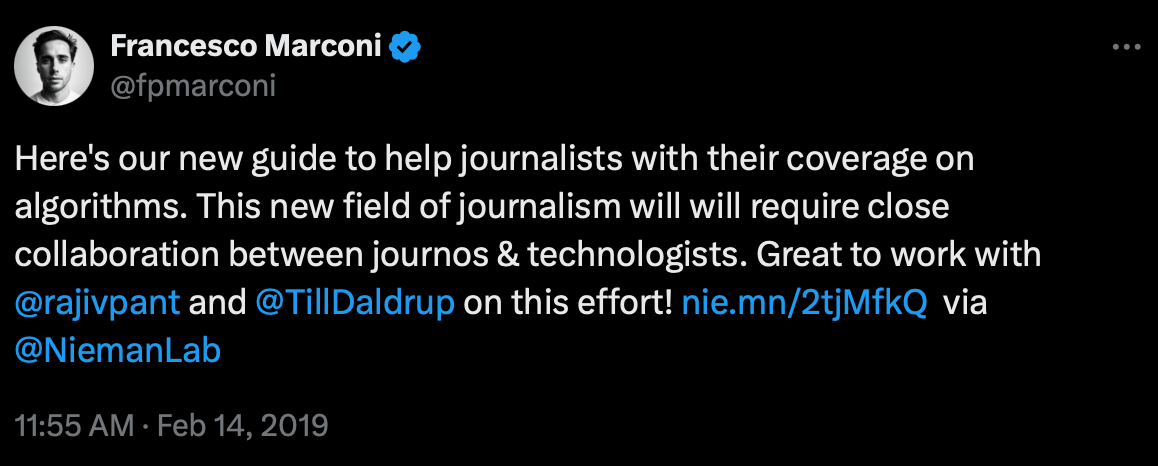
Reporting on the Decisions Algorithms Make
How journalists can investigate algorithms: trace decisions, compare outcomes and ask who can correct mistakes, building on our 2019 Harvard NiemanLab article.
How AI Can Help Journalists Tell a Story for Different Readers
How AI can help journalists create personalized storytelling experiences, with tailored headlines, images, and modular content for different reader interests.

Hackathon: impact journalism in New York
As a jury member at the April 2016 Editors Lab in New York, I joined media colleagues to assess prototypes connecting audiences with issues they care about.
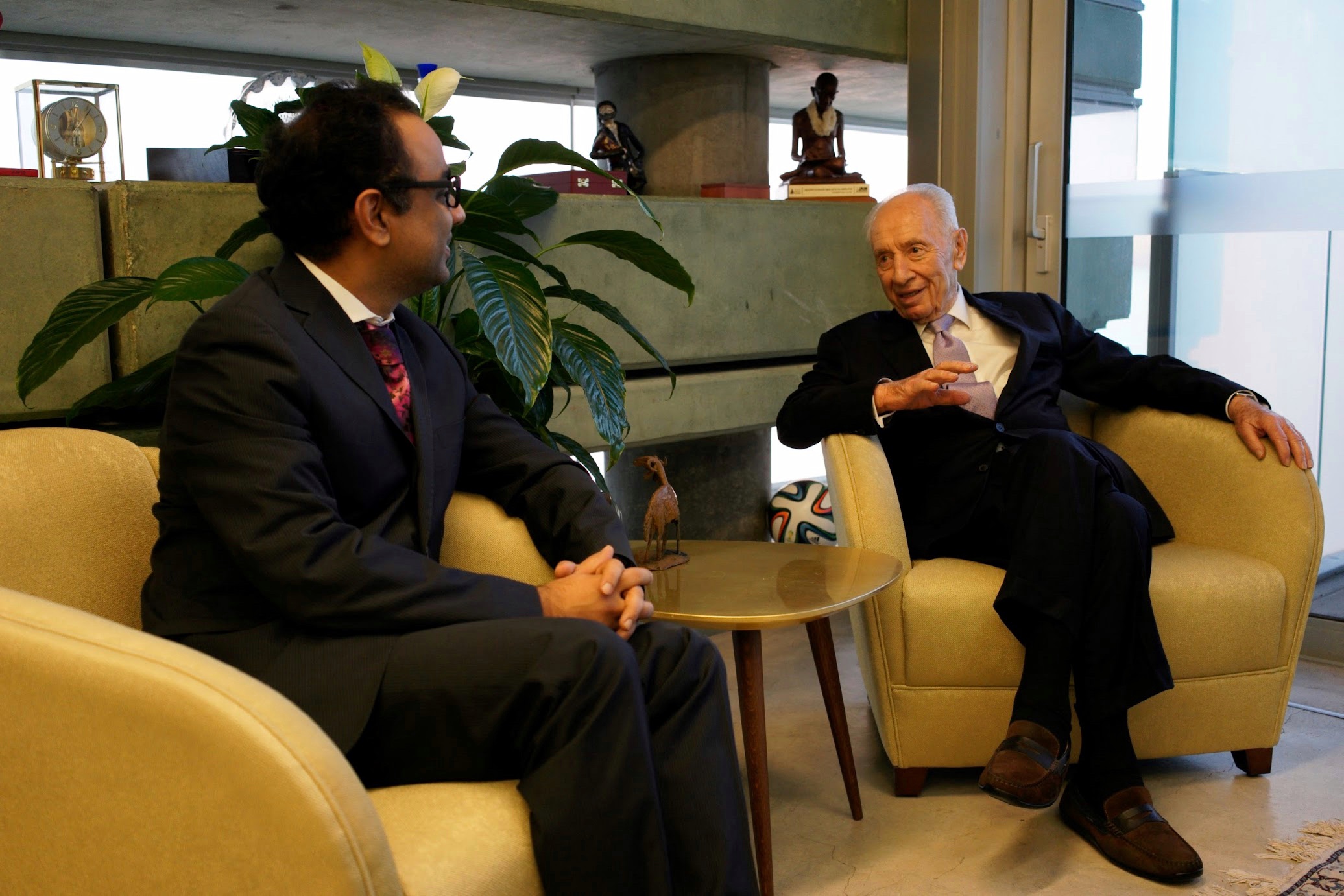
My interview in TheMarker Magazine
My TheMarker interview on journalism as public service, editors as product leaders, and the technology and business choices that help newsrooms serve readers.
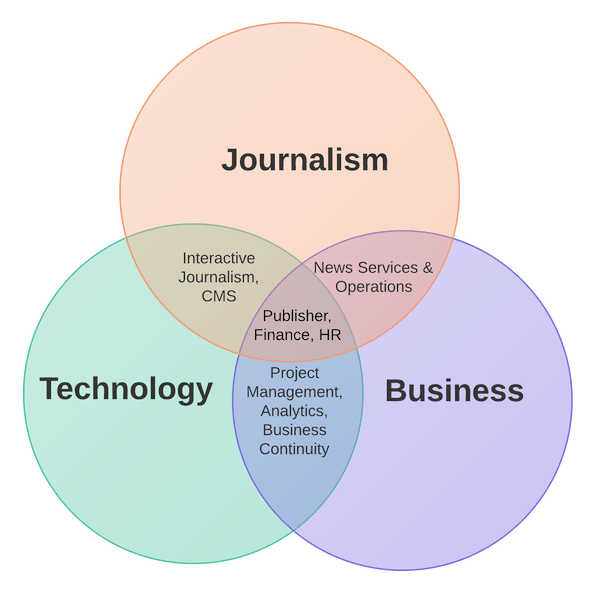
Three Pillars of a Media/Publishing Company
This media company diagram links journalism, technology and business, then asks where product belongs: newsroom, development, business or general management.
What newspapers can teach Silicon Valley about community
Local newspapers learned to answer to the people who lived nearby. Their habits offer technology companies a better definition of community than audience size.
Future of Content Management for News Media for Web sites
Why news media companies should adopt simple blog-based CMS platforms over legacy print-era content management systems for web publishing.
Integrating legacy technologies with web systems at newspapers
A 2006 argument for newspapers to invest in web systems and digital products, questioning the pursuit of seamless print integration as print editions decline.
Be consistent about labeling advertisements
My case for consistent advertisement labels on content sites, including house ads, with clear exceptions for paid material readers could mistake for journalism.