Technology
Tech trends, tools, and infrastructure
38 articles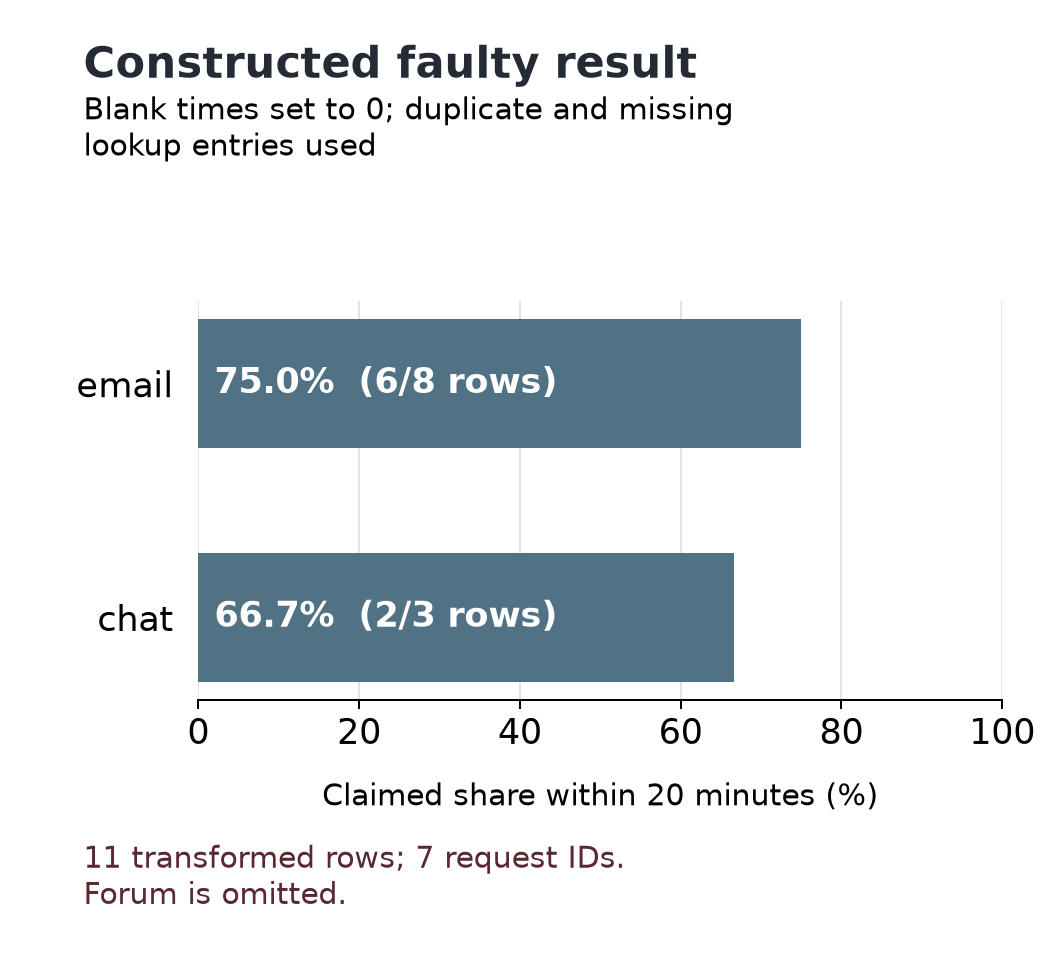
From CSV to chart: reviewing ChatGPT’s data analysis
Check a ChatGPT analysis from the original CSV rows through joins, missing values, and denominators, with an example you can calculate and reproduce yourself.
Cracking a 26-year-old password with Claude Code
While cleaning up old files, I found a password-protected Word document from 1999. I had no memory of the password. Claude Code and I cracked it together.
Connecting newspaper websites to Elon Musk’s Zip2
At Knight Ridder, I connected newspaper sites to Zip2. The data feeds, broken maps and quiet engineering behind Elon Musk’s first company still interest me.
What a Recovered Stock Price Misses About a Data Breach
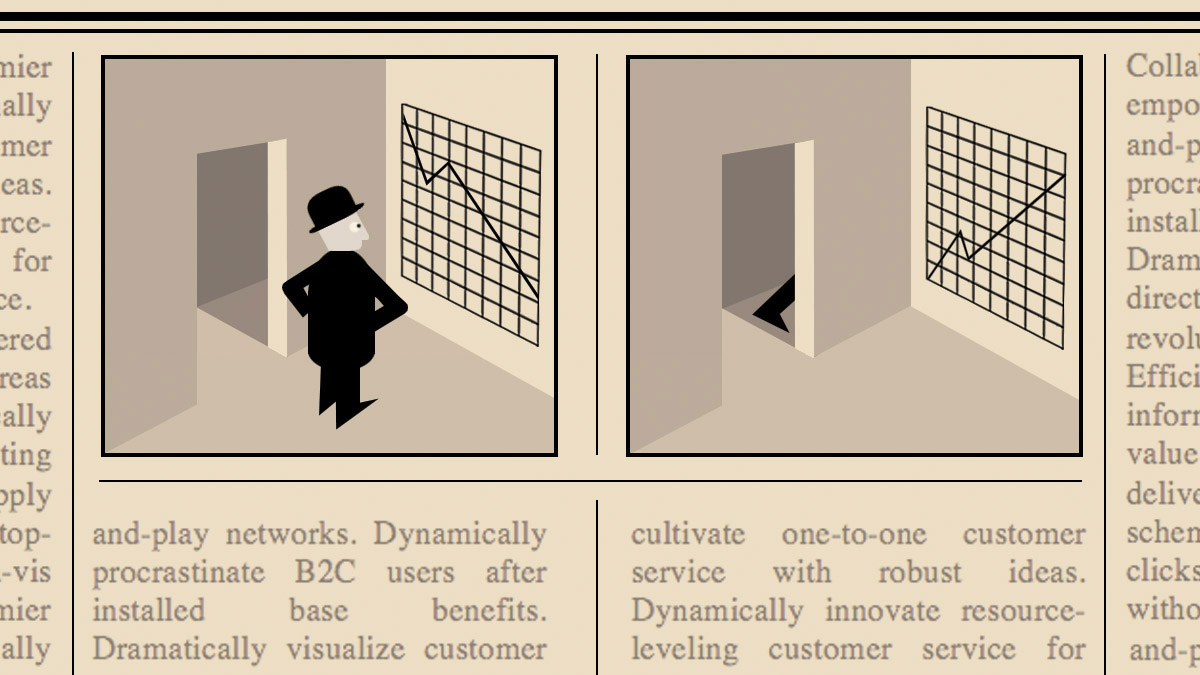
Why a recovered stock price can miss the cost of a data breach, and how leaders can examine insurance, unsettled liabilities, customer harm and business risk.

Quantifying Cyber Risk: A World Economic Forum Framework
Rajiv Pant introduces the World Economic Forum’s cyber value-at-risk framework, which he helped develop, and its three inputs for assessing financial risk.
Why news publishers should protect readers with HTTPS
News readers deserve privacy and trustworthy delivery. Following our Times Open essay, I explain why publishers should plan their move to HTTPS in 2015.
Why investors should care about cyber security breaches
An introduction and link to Rajiv Pant and Elena Kvochko’s 2014 World Economic Forum article on why investors should care about cyber security breaches.
Cloud security over dinner with Aaron Levie
Dinner with Aaron Levie sharpened my view of cloud security: access logs, provider concentration and the habits that make enterprise security controls work.
When Apple Bought My Friends' Company
Apple's purchase of Topsy brings back childhood memories and years of friendship, along with my respect for the search engine Rishab and Vipul helped build.
What Reddit Taught Me About Community, Scale, and Trust
What Reddit taught me about voting, local communities, and the trust that holds a growing site together, with lessons for product and engineering leaders.
Linking people across social networks: three proposed conventions
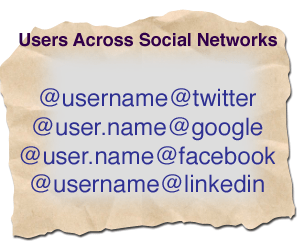
Three proposed conventions for linking people across social networks, with readable names, URL handling, autocomplete and a shared way to resolve profiles.
The day Steve Jobs showed our app at WWDC
The Epicurious iPad team’s moment at WWDC 2010: Robert Tolar Haining’s development work, editorial collaboration and the promise of tablets for publishing.
Reviewing a web hosting contract: a guide for CTOs
Review a hosting contract from servers to service credits, with practical questions on scaling, support, billing, contract terms and negotiating room to grow.
Understanding SLA uptime: percentages and measurement windows
Translate SLA uptime percentages into downtime, compare monthly and annual limits, and negotiate measurement rules and service credits that fit your business.

How to avoid duplicate search results with Apple Mail and Gmail
A 2010 Gmail and Apple Mail setup for reducing duplicate search results: label visibility, Spotlight exclusions, offline email and personal backup choices.

Checklist for moving a web application to cloud hosting
A three-stage cloud migration checklist covering communication, content transfer, rollback, DNS, testing and cleanup, with scope for project-specific plans.
Managing Hosting and CDN Costs Across Web Brands
A 2009 guide to allocating hosting and CDN costs by brand, reviewing monthly bills, and coordinating engineering changes to control a growing web portfolio.

Saving on Web Hosting with Browser Caching
A 2009 guide to lowering hosting and CDN bills with browser caching: understand freshness, measure avoidable transfers, and make the business case for fixes.
Ars Technica interview: technology between work and home
Jon Stokes interviews me for Ars Technica about technology moving between home and work, and blurring boundaries between personal and professional life in 2008.
Why I Moved This Website to Amazon EC2 and S3
My 2008 move to Amazon EC2 and S3: self-service servers, hourly costs, backup and recovery decisions, dynamic DNS, and the complete software stack I chose.

Why I’m not a fan of fingerprint scanners for computer security
Why I distrust fingerprint-only laptop security: two practical scenarios about copied prints and forced access, and the case for passwords and encryption.
The Evolution of Web Sites
How the Web changes as people become readers, users, community participants and co-developers: a 2007 framework with a prediction about programmable worlds.
Software Decisions: Owning vs. Renting and Creating vs. Getting
Separate software ownership from how you acquire it, weigh the case for controlling core systems, and ask vendors questions that reveal costs and constraints.
List of Open Source or Free Software for Home and Business Use
My 2006 selection of open-source or free desktop software for home and business, with practical uses, license limits and costs beyond the purchase price.
Sometimes extra steps in workflows are good
A car-door analogy explains why useful workflow steps deserve to stay: fewer actions must be balanced with security, maintainability, reuse and reliability.
Google Web Toolkit: develop and test in Java, deploy as AJAX
A 2006 account of building a rajiv.com menu with Google Web Toolkit, using familiar Java tools to create an AJAX interface and handle browser differences.

Moving my website to Java and Kattare
Why I moved rajiv.com from ASP and .NET to Java at Kattare in 2005, using Struts, Tiles and Apache redirects while keeping my appreciation for both platforms.

Suggestions to Nikon for future DSLR cameras
A Nikon D70 owner’s 2005 design wish list: live-view framing, sensor stabilization, full-frame compatibility, video, and a stronger third-party camera system.

On content sites requiring user registration
Why I want shared sign-in across content sites, with my 2004 hopes for Liberty Alliance and TypeKey, a privacy judgment, and exceptions for paid services.
Why I prefer labels and search to folders
The case for labels and search over folders: fewer copies, less filing, richer relationships, and shorter URLs, with three email tools from September 2004.
Preserving URLs of evergreen content
Why a site’s public addresses should survive server upgrades, with the costs of broken links and a 2004 critique of ASP, redirects, and URL rewriting.
Java programmer? Use BeanShell
My August 2004 recommendation of BeanShell for interpreting Java source and trying APIs, objects and GUI widgets interactively, with its period IDE context.
Other web search engines
A 2004 recommendation to look beyond Google, with the recovered March 2008 search links and the original update about maintaining them with Blogroll Links.
Ads by Google on some of my pages
In May 2004, I added Google AdSense to selected pages on rajiv.com, including the Humor and India sections, and invited advertisers to use Google’s program.
Content management with search built in
Phone books, news articles and camera searches show how searchable structure, metadata and content adapters can make a website’s search more useful to readers.
Can you hear me now? Good
In November 2003, I began moving from AT&T back to Verizon. I compare coverage, customer service, number portability and the value of analog roaming support.
Cofax Goes Open Source
Why we chose open source for Cofax: shared maintenance, stronger recruiting and newspaper teams keeping local choices while improving a common system.
Finding a Security Hole in Microsoft Exchange
How I found Exchange 5.0 accepting old passwords after a change, Microsoft’s credential-cache explanation, and the practical security lessons that followed.