AI
Artificial intelligence, machine learning, and AI-assisted development
45 articlesMy AI assistant got a cabinet assembled in my apartment while I worked
An AI assistant researched a household job, compared bids and coordinated the work while I kept control of the commitments. The larger saving was attention.
The migration that was finished until a stranger looked
A synthesis engineering story about Blind-Spot Rotation: how an AI reviewer with fresh context can find gaps the original inventory and checks missed.
Choosing Local AI Models by Measuring the Machine
Profile a computer, choose local open-weight models that fit, install them safely, and map exact artifacts to each machine with a reproducible workflow.
What agent memory research taught me about twenty years of notes
Tiered memory for a personal knowledge base: what MemGPT, Zep, and Mem0 teach about structuring two decades of notes so AI agents find the right ten files.
AI tools should copy GitHub's identity model, not your employer's
AI tools should give people lasting identities and organizations scoped roles. My GitHub account and shared-agent schema show why that design choice matters.
What should survive when you change AI tools
Preserve project decisions, methods, authority and evidence across AI tools, with explicit ownership of the adapters and tests that keep the work portable.
Ask Your AI to Refute You
Commission AI reviewers to challenge your claims, then test their findings. Use distinct lenses, concrete counterexamples and honest unresolved states.
AI disclosure guards: approval is the boundary
Build AI disclosure guards around approved facts, their sources and where they will appear, with a precedent ledger and five practical contextual review tests.
When I use chat, workflows, and a visual console
How I choose between chat, repeatable workflows and a visual console, while keeping project records I own and deciding what must survive a change of tools.
An Iron Man suit for the mind
AI can make us faster while we keep the architecture, judgment, thinking, and learning. My conversation with Dan Blumberg explains how I put that into practice.
I made project memory portable between Claude Code and Codex
Carry project decisions, unfinished work, and verification between Claude Code and Codex while checking each tool's instructions, skills, hooks, and access.
Who keeps the AI dividend?
AI productivity gains flow to employers while workers get more work for the same pay. Evidence from BCG, NBER, and labor economics shows why sharing matters.
When AI summaries become your sources
Keep AI summaries useful as they become organizational knowledge: preserve decisions, check their sources, and build context your teams can trust and improve.
The research lineage from recursive neural networks to human-AI collaborative development
Richard Socher's work on representations and language-based tasks suggests five research questions for building reliable software with human-AI collaboration.
From learned representations to engineered context: what Richard Socher's research tells us about working with AI
Richard Socher's work on reusable representations offers a practical lens for persistent AI coding context, architectural foundations and disciplined review.
Richard Socher nailed the future of work with AI
Richard Socher identified the skills that matter in the AI era: delegate clearly, specify requirements, build trust. These are learnable skills, not job titles.
Diagnosing Retrieval Failures in a RAG Application
Use Ragbot’s biography lookup to separate routing, tokenization and ranking, then trace a context-budget change through five defaults from UI to retrieval.
Keeping Claude Code Refactors Consistent Across Long Sessions
Keep a long Claude Code refactor aligned with its conventions through instruction-loading checks, scoped code review and tests of the behavior being changed.
How Claude Code Uses CLAUDE.md and Memory
Claude Code loads project instructions and saved memory under different rules. Check what survives compaction and whether the code follows your guidance.
Editing AI-Assisted Writing for Substance and Voice
Use an open editorial framework to strengthen drafts, test factual claims and preserve a writer’s voice, with worked examples and four practical review prompts.
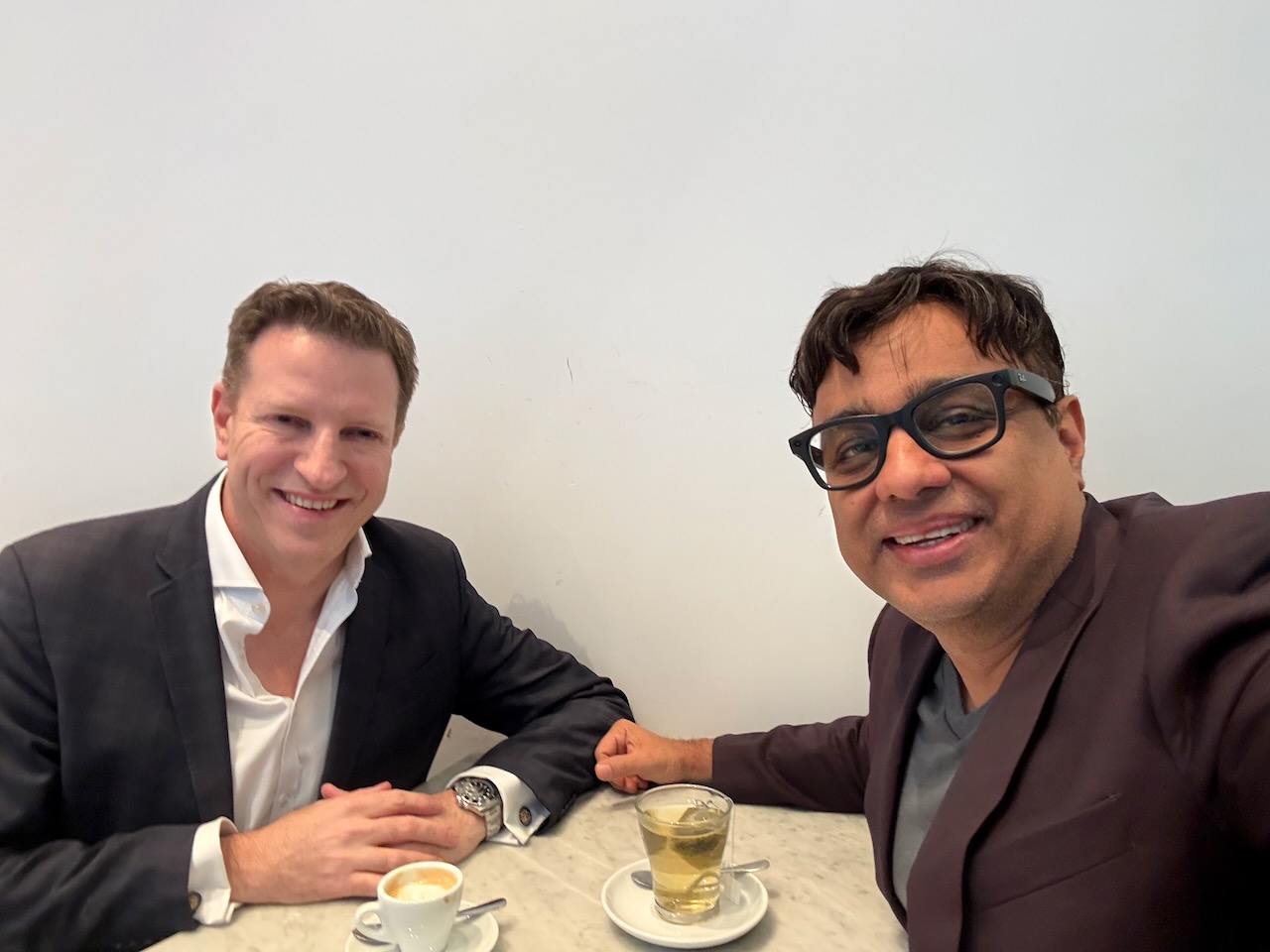
The Iron Man suit for your brain: AI and amplified human malice
AI amplifies good judgment, mistakes, and malice. A Manhattan conversation explores why human misuse could threaten us long before conscious machines.

The Economics of Starting Fresh in the Age of Generative AI
Greenfield AI development often delivers better ROI than legacy retrofits. Evidence from enterprise implementations and a framework for Canadian organizations.

Collective Intelligence: Making AI Work for Everyone
Three principles for inclusive AI from Cooper Union: resource consciousness, participation beyond access, and knowledge sovereignty, with practical ways to act.
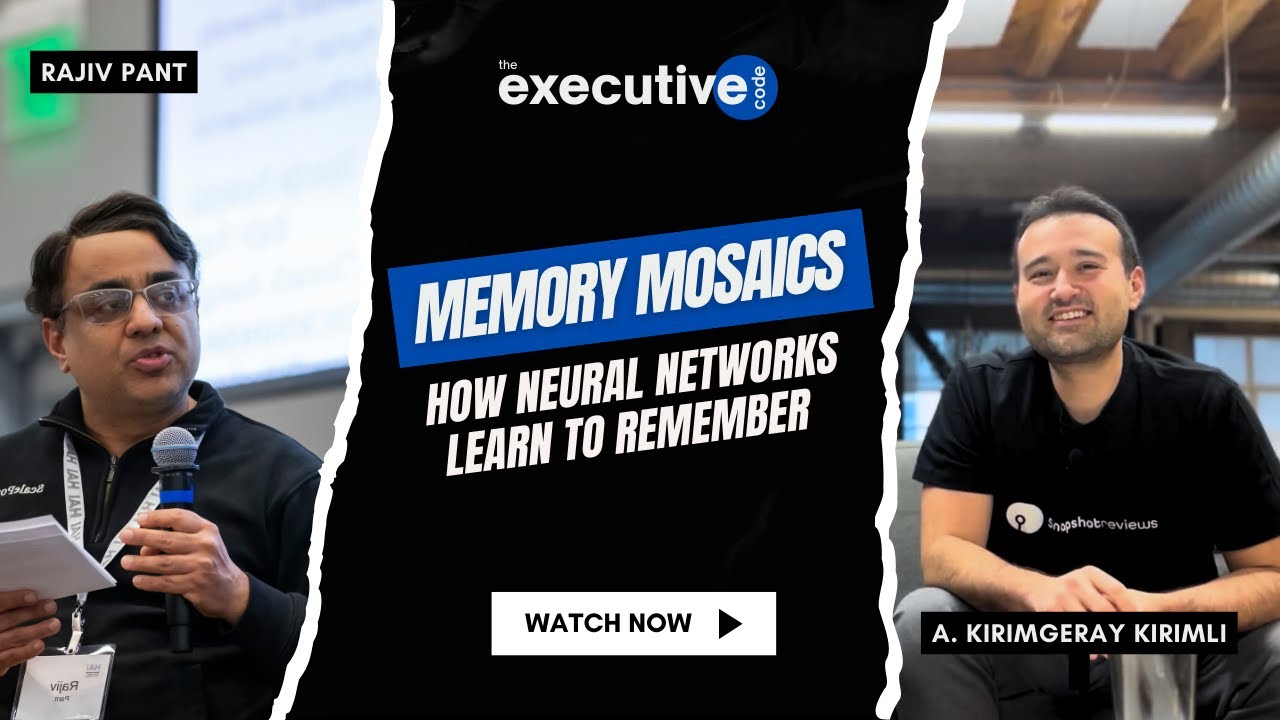
Memory Mosaics: How AI Networks Learn to Remember – The Executive Code Podcast
Kirim and I explore Memory Mosaics: how neural networks store and retrieve information, why the design matters, and what it could mean for useful AI assistants.
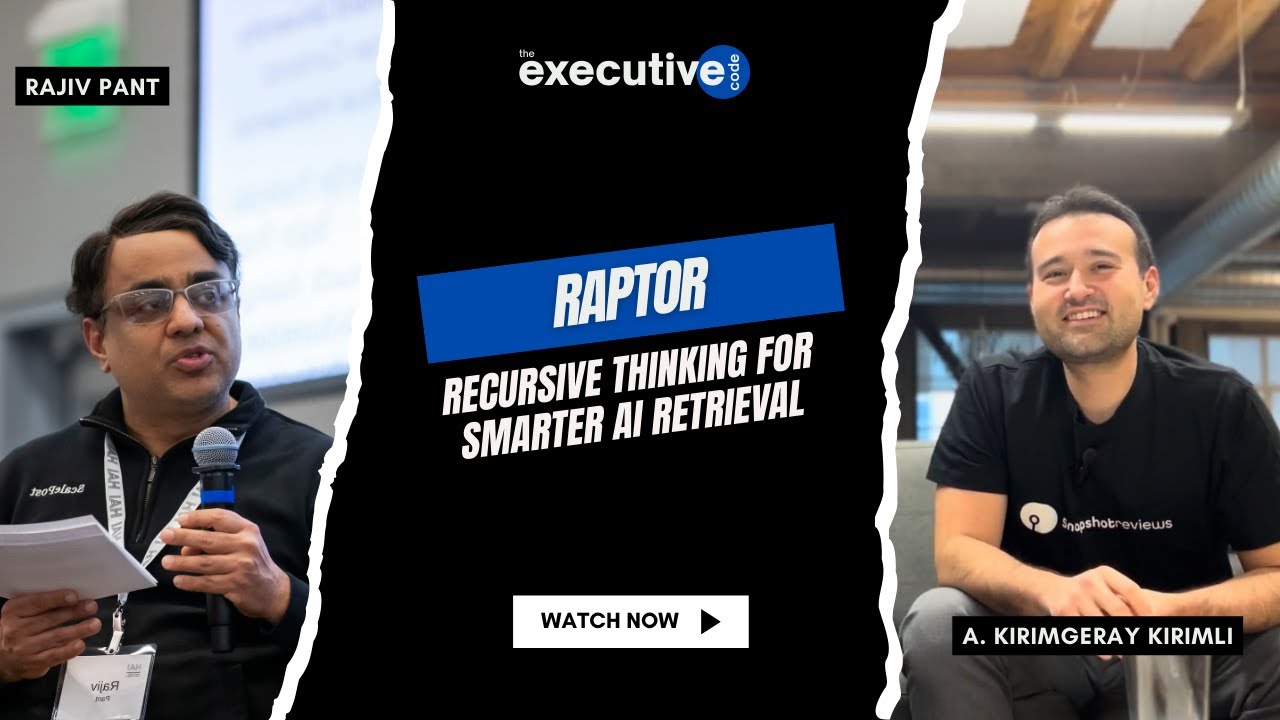
RAPTOR: Recursive Thinking for Smarter AI Retrieval – The Executive Code Podcast
Kirim and I explore how RAPTOR builds a tree of summaries, why it improved document answers, and how that approach could help engineering teams share knowledge.
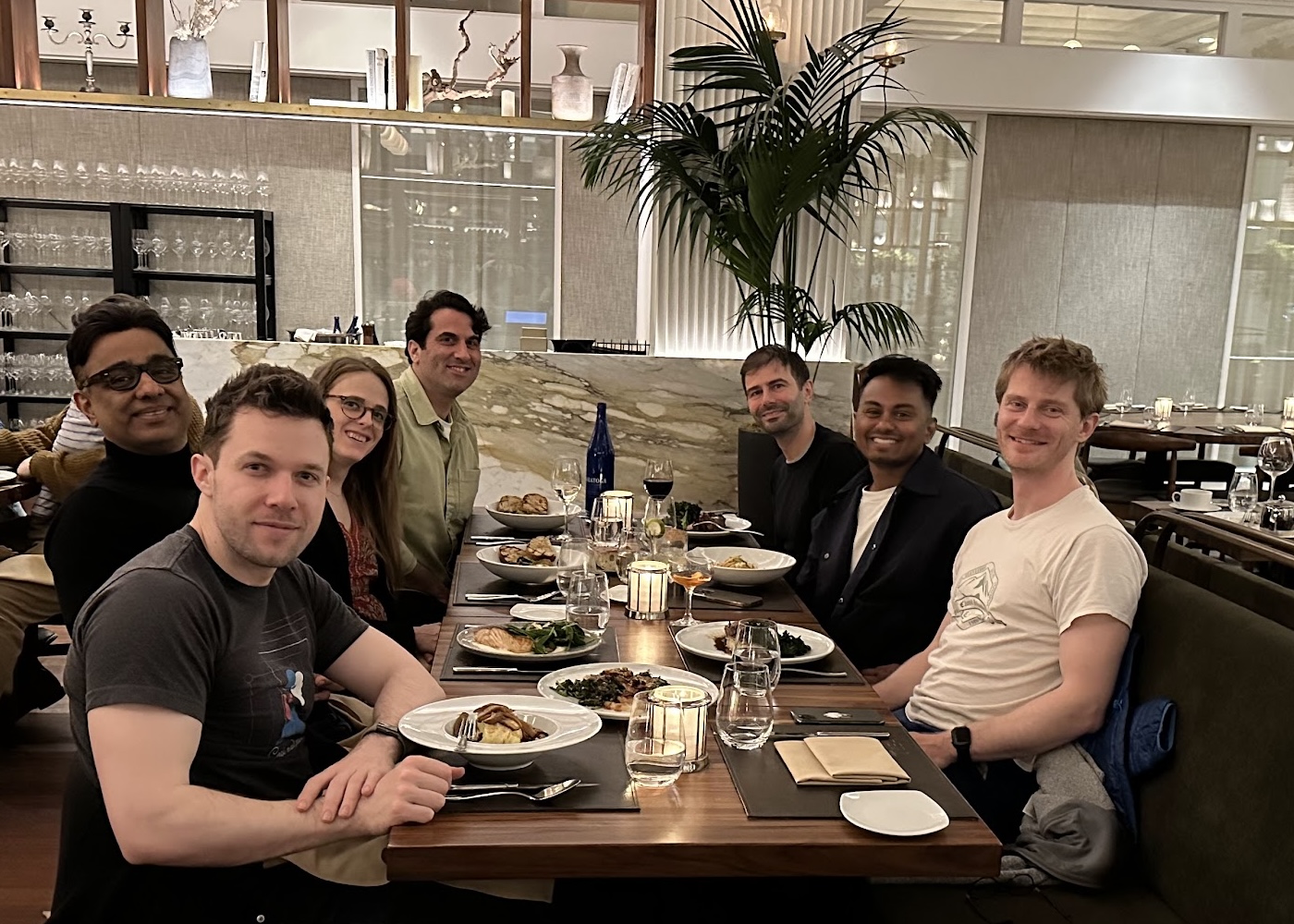
Why Prompt Engineering Is Engineering
Prompt engineering is systematic work with specifications, constraints and tests. My son’s pronghorn emoji project shows those engineering habits in practice.
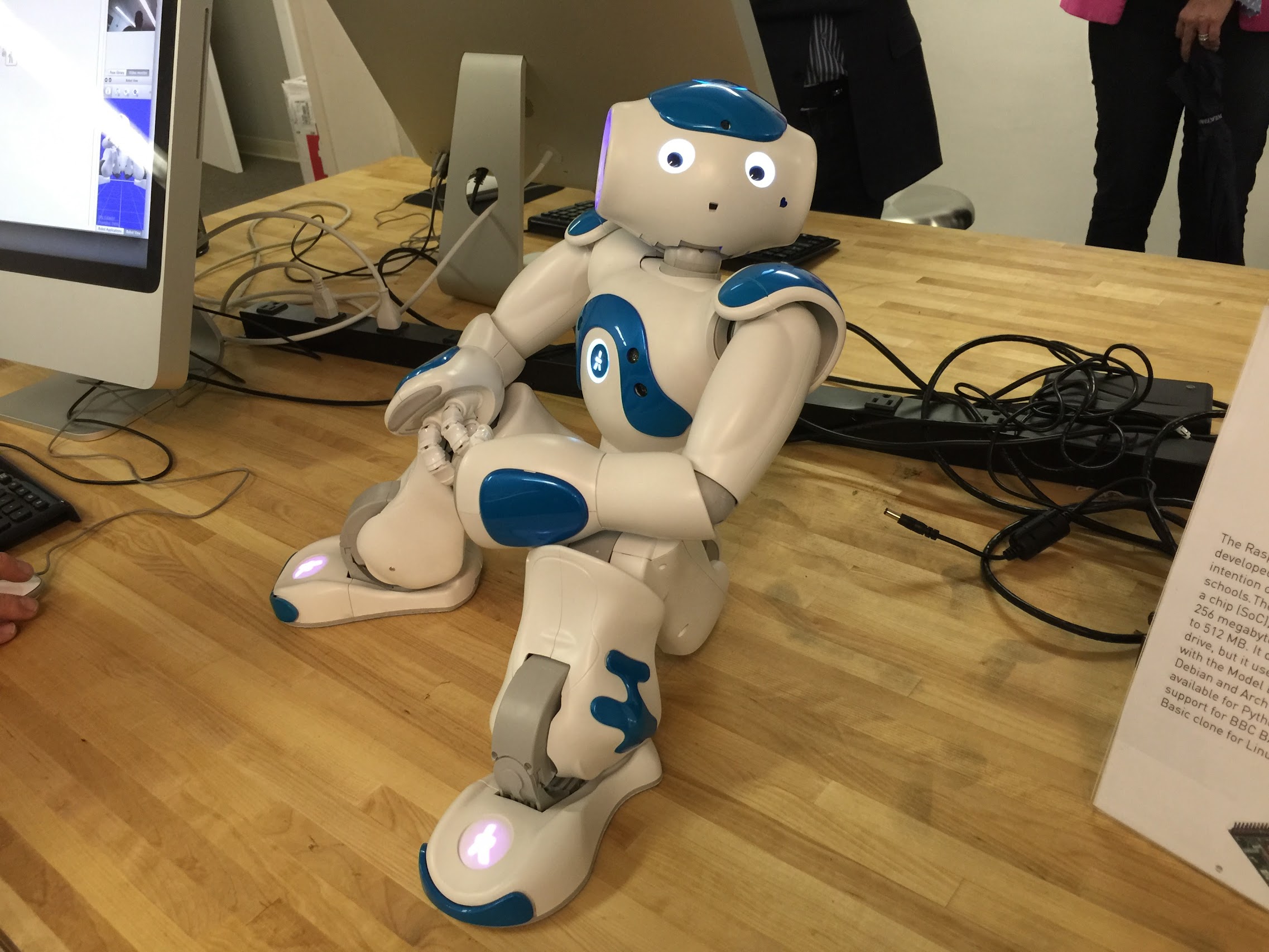
The Path to Superintelligent AI: Key Insights from Tim Urban’s Groundbreaking Analysis
Tim Urban’s 2015 AI essays explain the path from narrow intelligence to superintelligence, the promise and danger, and why today’s choices matter so much.

Richard Socher’s AI Vision: Research Agents, AGI and Robotics
Richard Socher’s 2025 interview connects research agents, AGI and robotics. A friend and advisor examines the ideas, their evidence and their implications.

The Culinary Code of AI: Understanding Language Models
Restaurant word games explain how language models predict text, use context and route work among experts, giving business leaders a way to think about AI.

What an egg puzzle reveals about OpenAI o1 and DeepSeek R1
OpenAI o1 and DeepSeek’s DeepThink R1 both chose blue. Checking their egg-puzzle explanations reveals a valid parity argument and errors in the longer response.

Speaking Through AI: The Next Evolution of Human Communication
AI is becoming a universal mediator between people and software. I explore what that means for trust, democracy, authentic expression and human connection.

AI Will Become the Main Interface to Software
AI will become the main interface between people and software systems. Why I expect it, how it could simplify integration, and what it takes to earn trust.

Four AI Models Tried the Same Puzzle. Who Got It Right?
Four recorded AI responses to an egg puzzle show why a correct answer needs a checked explanation. A corrected parity proof establishes which color to add.
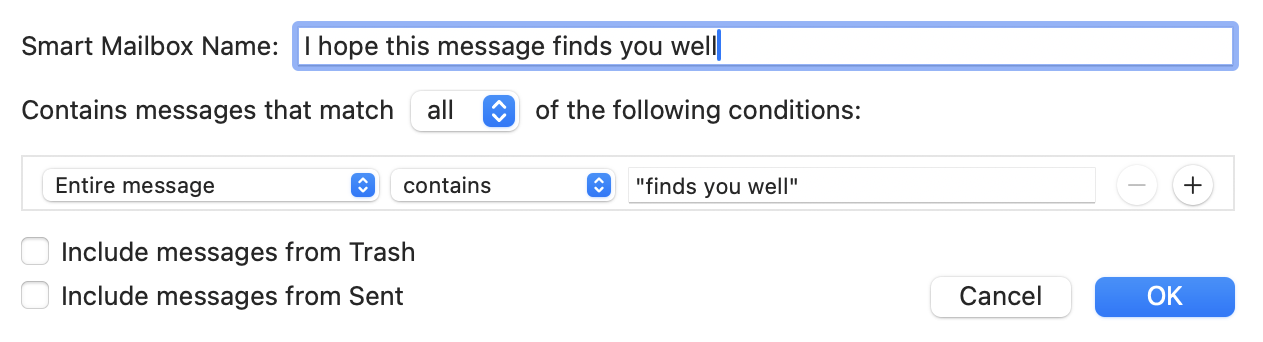
When an Email Sounds Like AI
Familiar phrases, borrowed tone and missing specifics can make an email sound generic. Review voice and substance without treating style as proof of authorship.
Prompting GPT-4 Turbo to Solve a Family Math Puzzle
A family math contest led me to prompt GPT-4 Turbo to compare algorithms and write Python. Two valid answers show why a working result still needs a code check.
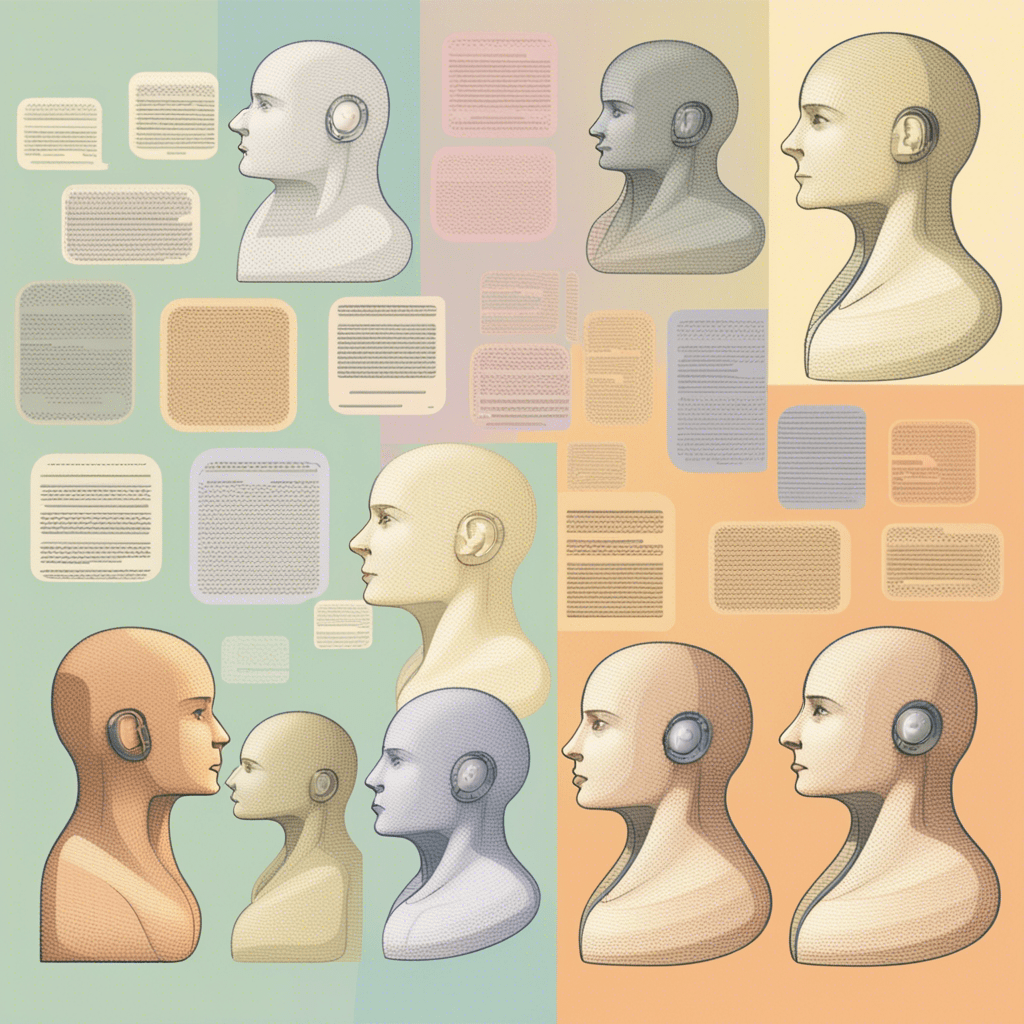
The Evolution of Generative AI Platforms: How Large Language Models will Disrupt Business and Society
LLM platforms like ChatGPT will evolve into app ecosystems like iOS and Android, disrupting business models and creating opportunities for new AI companies.

Why Vector Search Isn’t Enough for the Personal AI Assistant I Want
Why I want a personal AI assistant to learn patterns across a life, and how retrieval, fine-tuning and feedback could help it connect experiences over time.

Turning Documents into Conversations with AI
How personal AI guides can change the way we read, with fifteen uses for text and multimedia and a simple exercise in checking answers against a document.

Generative AI and Large Language Models for Media Leaders
A practical introduction to generative AI and large language models for media leaders, with examples from my career, useful videos and a report-writing example.
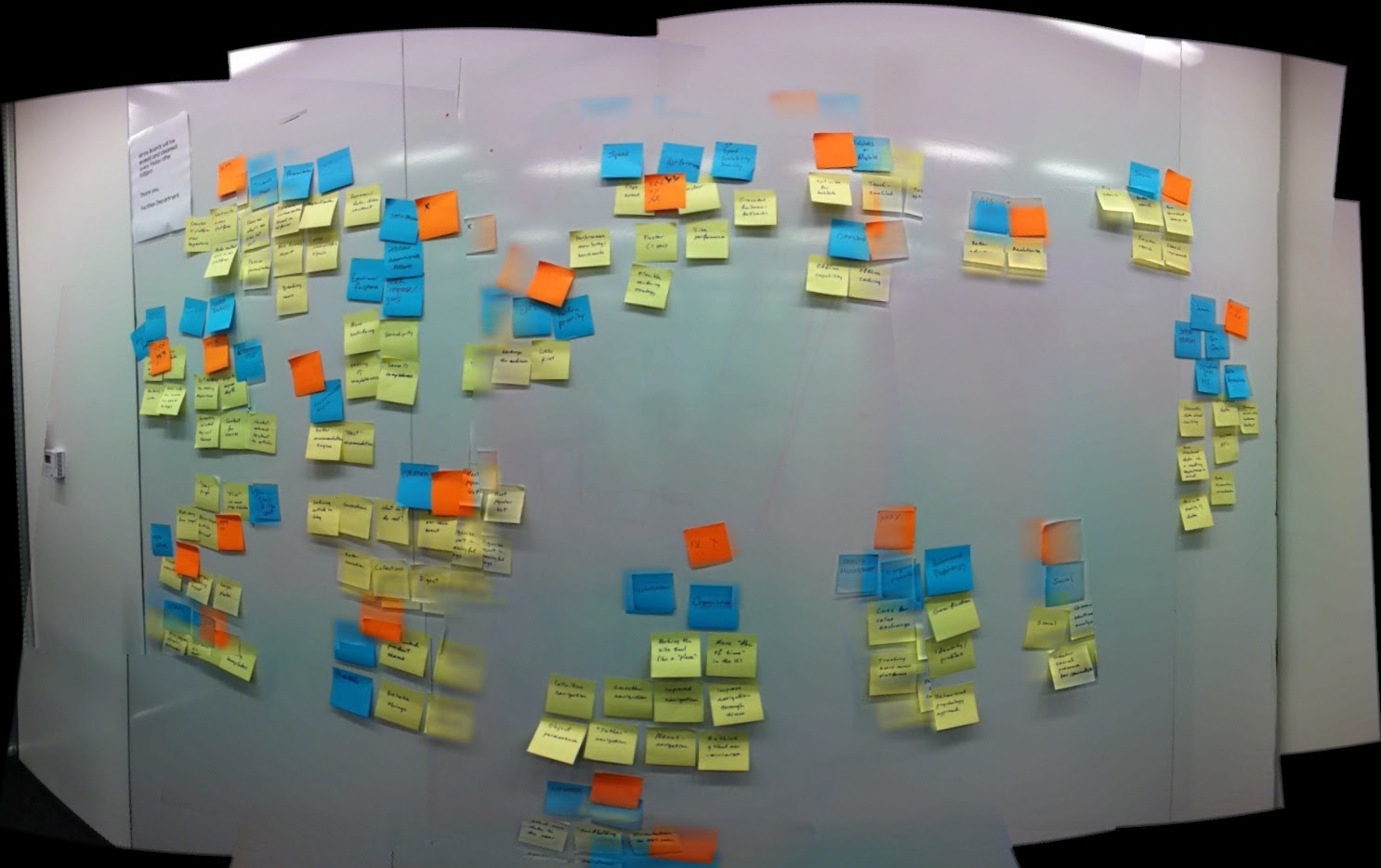
AI Will Make Traditional Databases Obsolete: A 2023 Prediction
Books, relationships and media led me to predict AI would replace traditional databases. The ambition and the guarantees that such a future must meet.
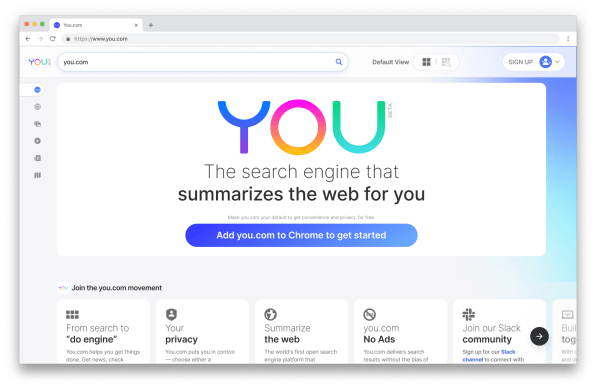
Why I Invested in You.com
Why I backed You.com from the beginning: its founders, AI search, privacy and potential to change how we find information, at its November 2021 public launch.
How journalists and AI can combat deepfakes
Journalists and AI can work together to combat deepfakes. A 2018 NiemanLab article shows how The Wall Street Journal combines reporting with technology.
Deepfakes, journalism, and the work of earning trust
Deepfakes test more than our ability to spot a manipulated image. My Applause talk examines the technical tools and human judgment journalism needs to respond.
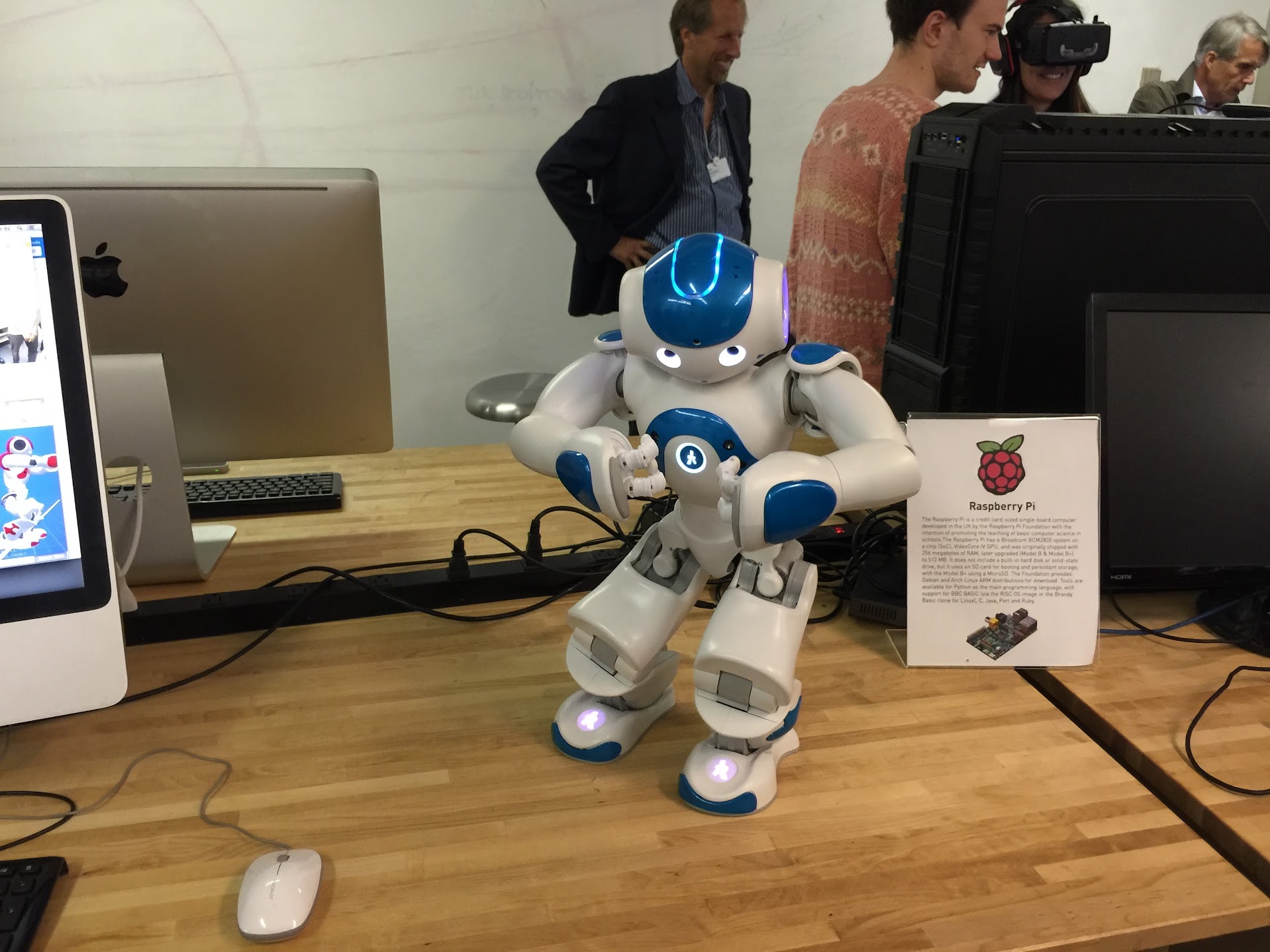
AI learning resources for technologists: a 2016 collection
A 2016 collection of AI articles, courses, books, videos and developer resources, connecting machine learning and neural networks with digital journalism.