organizational design
31 articlesScaling Synthesis Coding in Your Organization
Scale AI coding through a phased team rollout, role-specific training, quality standards and practical measures that build lasting engineering capability.
The synthesis coding framework: building production software with AI
Five connected pillars turn AI-assisted coding into an organizational practice, with project cases, planning guidance, and a path to production software.
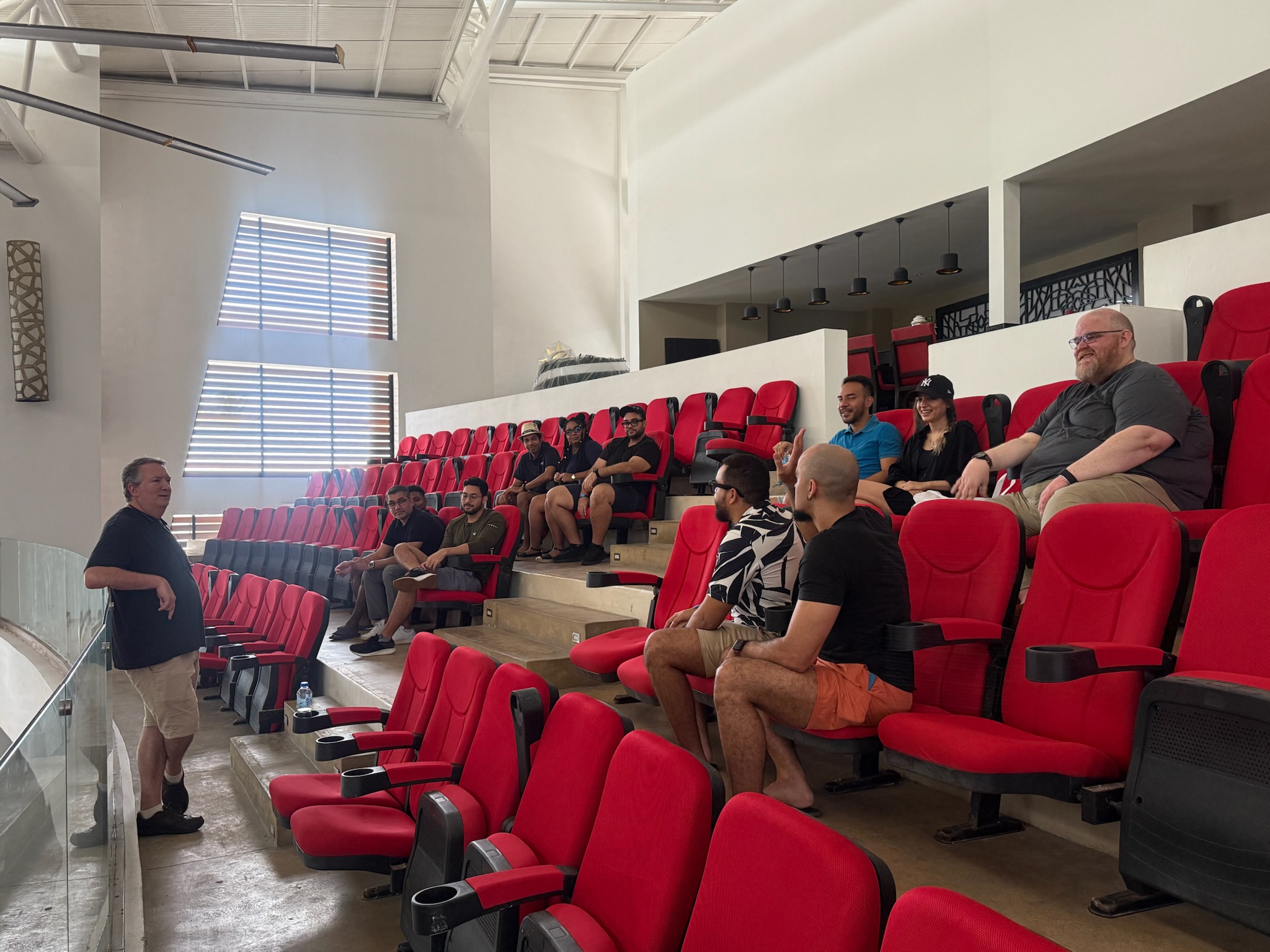
The Future of Engineering Services: Building and Measuring Human-AI Teams
How engineering services can move from hours to capabilities, with human–AI team structures, outcome measures, client examples, and ways to price the work.
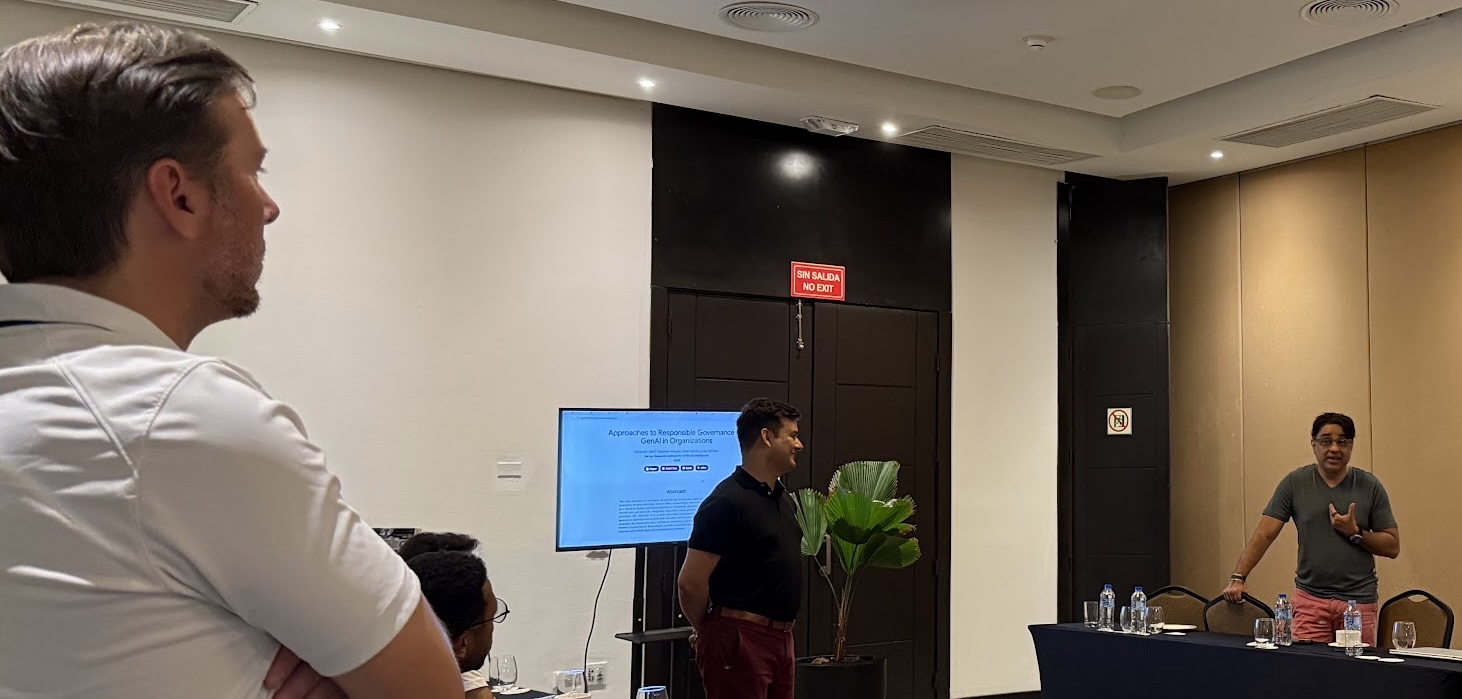
CTO and CPO Leadership in the Age of Generative AI
How CTOs and CPOs can lead human–AI teams: compose capabilities, preserve judgment, build adaptable architecture, and develop careers beyond implementation.

The Power Playbook in OpenAI’s 2025 Leadership Announcement
Read OpenAI’s May 2025 leadership announcement for its power strategy: authority, alliances, growth and twelve practical lessons for executive communication.

Beyond outcomes: why great leaders prioritize inputs
Great leaders shape the actions, ethics, and conditions that produce results. The Gita, Stoics, business cases, and Bill Walsh inform five practical steps.

Understanding the Role of Product in Media Companies and Tech Companies
How media product leaders balance audiences, editors, revenue and technology, with seven practical recommendations and four kinds of products they build.
Roles and Responsibilities for Digital Product Development Teams
A clear responsibility map for product, engineering, design and operations leaders, with guidance on decisions, estimates, delivery and shared accountability.
Power, for All by Julie Battilana and Tiziana Casciaro (Book Review)
A review of Power, for All by Battilana and Casciaro, exploring ethical power dynamics, democratized leadership, and how power can create positive-sum outcomes.
How Stakeholders and Product, Design, and Engineering Should Work Together
A practical framework for stakeholders and product, design, and engineering teams to choose problems, share responsibility, and measure outcomes together.
Technology ambassadors: keeping the business and the team in touch
A rotating ambassador program connects product, design, and engineering with the business through weekly contact, modest authority, and lessons from failure.
The Role of a Chief Product and Technology Officer (CPTO)
What a Chief Product and Technology Officer does, why the role exists, and why engineering, product, and design should be separate disciplines under one leader.
IT Culture vs. Product Culture
How to recognize an IT culture hiding behind product titles, give teams ownership of outcomes, and build a product culture with the CEO and newsroom behind it.
Management & Technical Career Growth Tracks (v3)
A career-growth framework spanning engineering, product, design, data, and project management, with parallel leadership paths and historical salary examples.
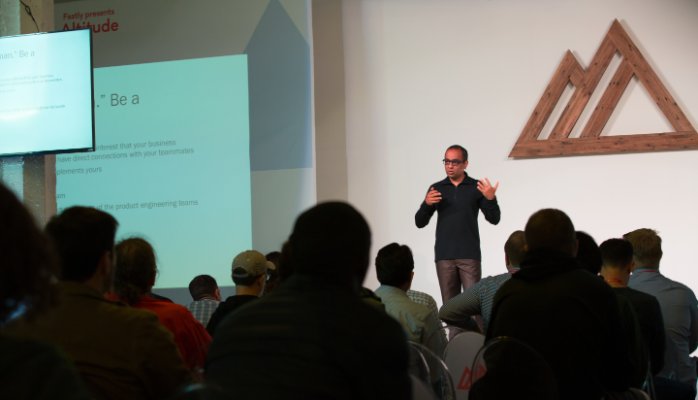
How to be an effective CTO
How to be effective as a CTO through culture, technology and operations, with five lessons on building stakeholder relationships and organizational influence.

90 day plan for a CTO in a new job
A practical 90 day plan for a new CTO: learn the people and business, choose useful measures, set direction, and improve the team’s culture and delivery.
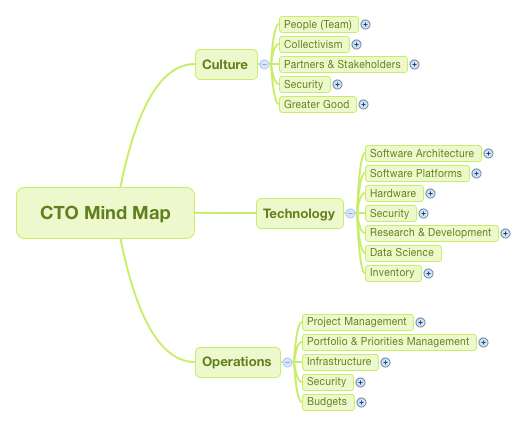
CTO Mind Map: Culture, Technology, Operations
A visual mind map organizes the CTO role into culture, technology, and operations, helping technology leaders set priorities and identify gaps in coverage.
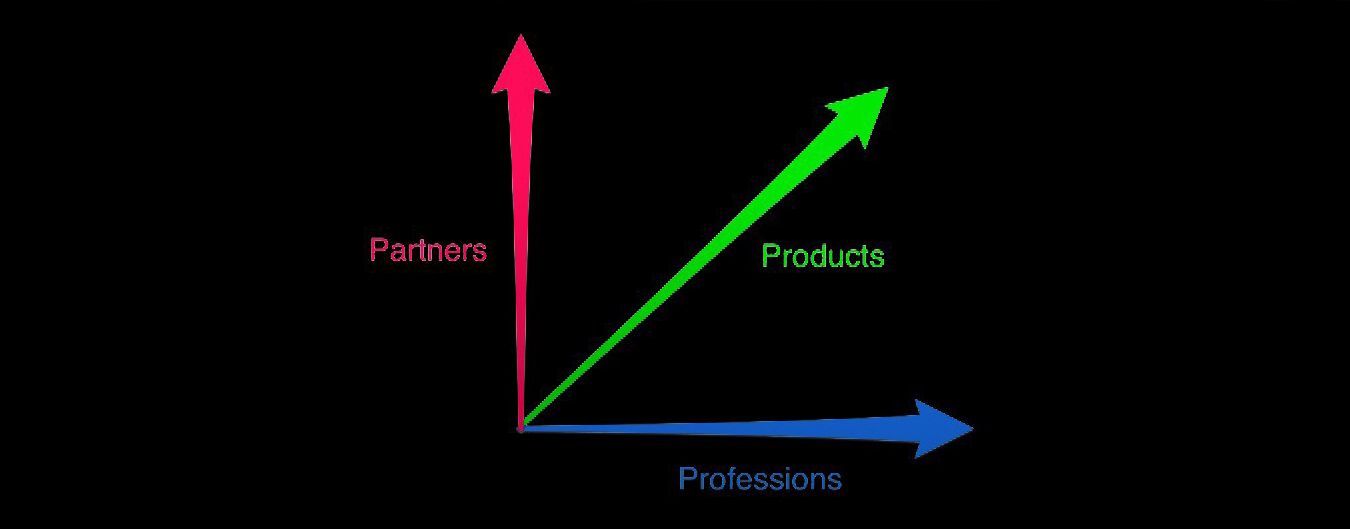
3 dimensions of a technology team
Organize a technology team around its products, business relationships, and professions, with clear responsibility for delivery, decisions, and career growth.
Speaking on organizational behavior at Stanford
At Jeffrey Pfeffer’s invitation, Rajiv Pant spoke on organizational behavior in two Stanford Graduate School of Business MBA sessions on February 15, 2013.
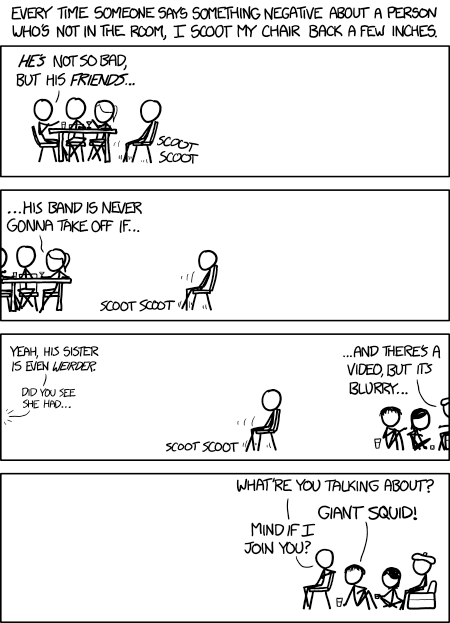
Ray Dalio, Randall Munroe and I Think Alike – Culture of Courage & Candor
Why badmouthing colleagues behind their backs damages organizations, and how leaders can stop rewarding it, give fair hearings and model courage and candor.
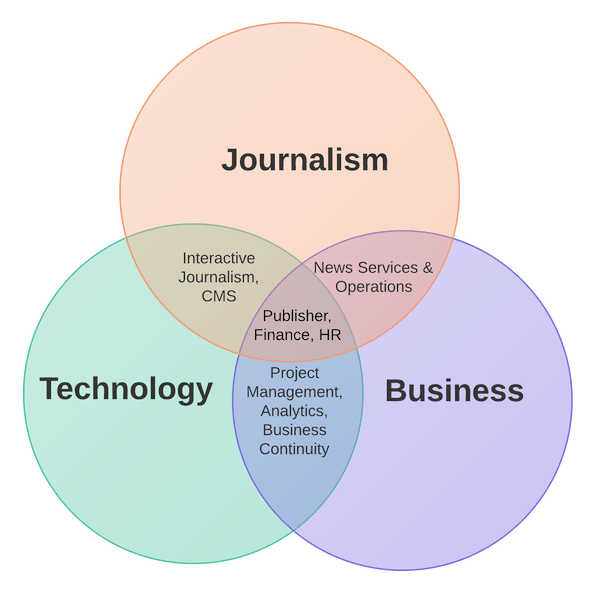
Three Pillars of a Media/Publishing Company
This media company diagram links journalism, technology and business, then asks where product belongs: newsroom, development, business or general management.
HR classifications and business titles for technology teams
A practical title system for technology teams: pair consistent HR classifications with descriptive business titles, using role examples and approval guidelines.

Twenty-five vacation days for everyone
A case for 25 vacation days for every full-time employee, with rules for planning time off, equal treatment, carryover, and alternatives to unlimited leave.
Management & Technical Career Growth Tracks (v2)
Version 2 of a career framework with parallel people, engineering, product and project tracks, five levels, and guidelines for managers’ minimum direct reports.
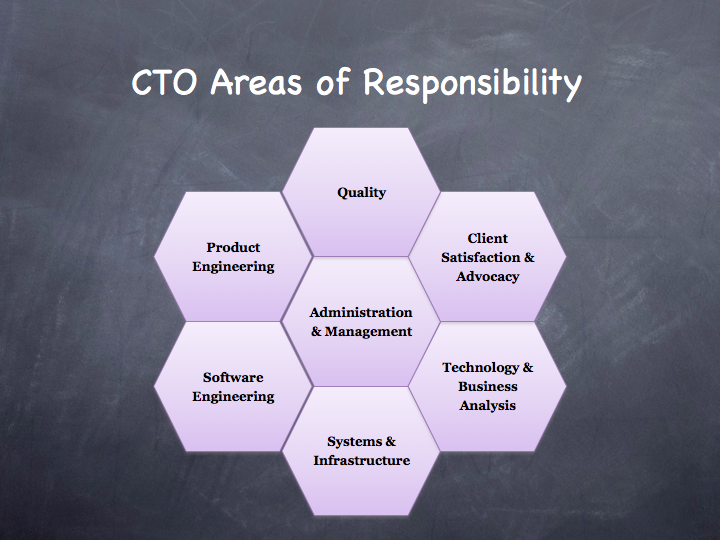
Organizing a media company’s digital technology department
A digital technology organization for a media company: seven functional areas, a sample reporting structure and project teams that work across those boundaries.
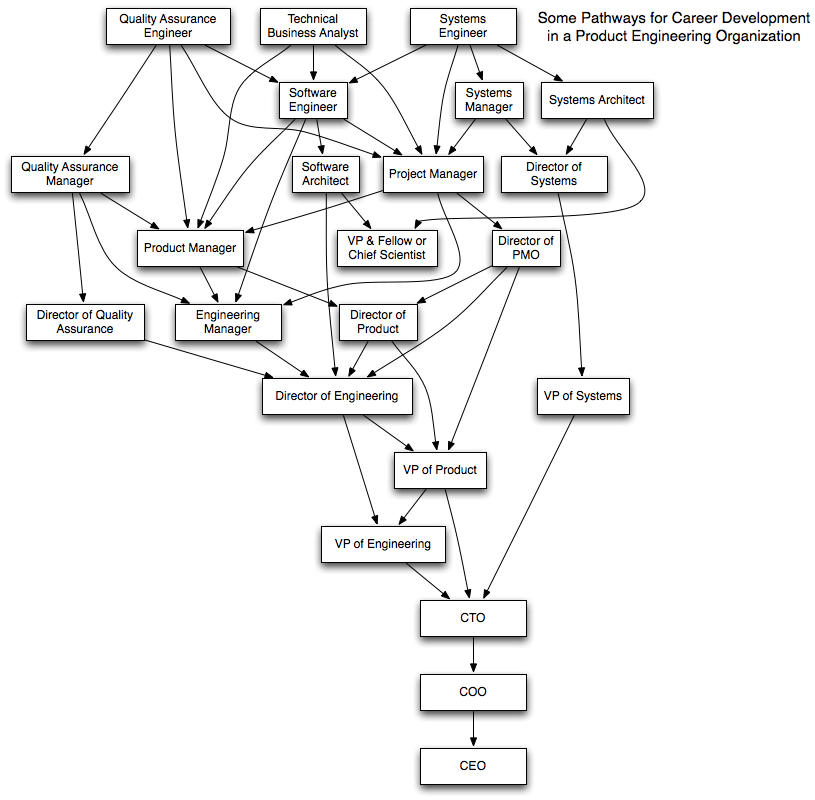
Career paths in product engineering: building depth and breadth
A map of careers in product engineering, with management, architect, product and QA paths and practical reasons to build technical depth and leadership breadth.
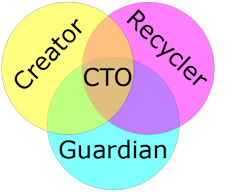
The Trinity Method: three roles for technology leaders
Give technology leaders clear responsibilities for creating products, maintaining reliable operations and retiring needless systems with the Trinity Method.
CAREER-CLEAR: employee evaluation and career development
CAREER-CLEAR gives managers five evaluation categories, a shared scoring baseline and a 100-point scale for discussing performance, rank and career development.
Build and maintain a cohesive leadership team
How a cohesive leadership team shares responsibility, resolves conflict and works as a group, with lessons from my direct reports and Patrick Lencioni’s book.
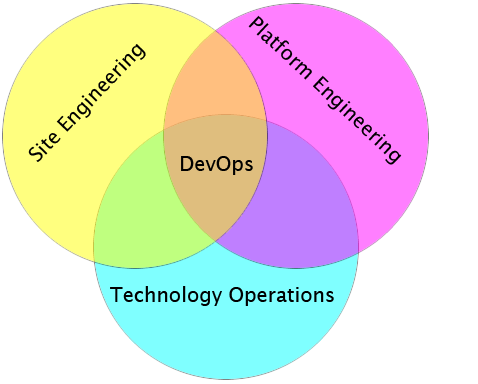
Organizing a Midsize Media Technology Department
Organize a media technology department of 20–100 people around site engineering, shared platforms and operations, with deliberate overlap and joint leadership.
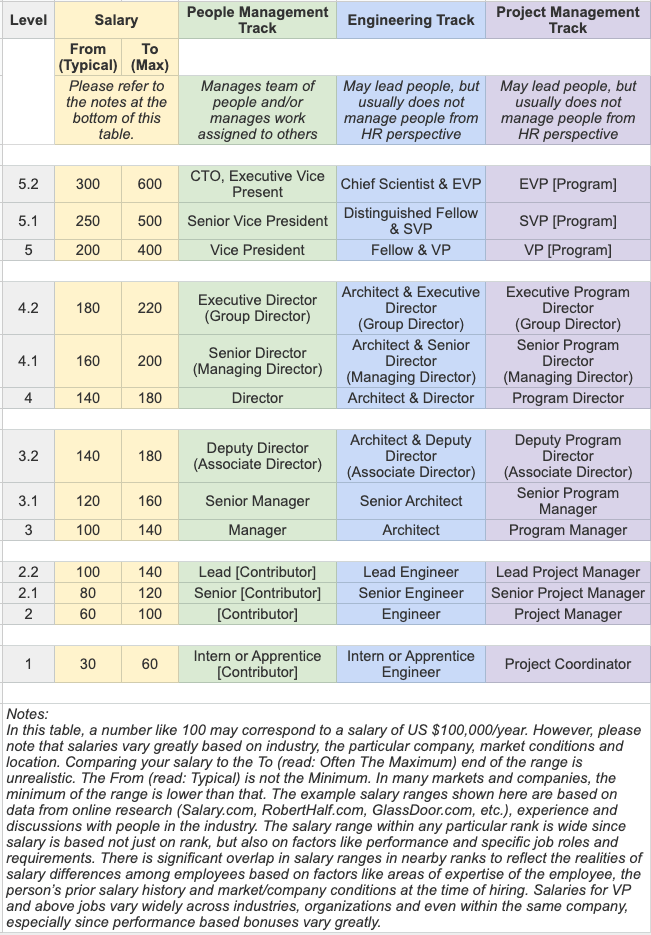
Management & Technical Career Growth Tracks
A career framework that gives technologists compensation, responsibility and influence alongside managers, with parallel roles, flexible levels and choices.